















As Russia’s war continues, Ukraine’s military is undergoing one of the most dramatic transformations in its modern history, with newly formed combat units challenging long-standing Soviet-style structures and replacing them with flexible, tech-driven models built for modern warfare.
One of the most prominent examples is the rapidly expanded Khartiia formation, which has grown from a small volunteer group of 30 fighters into a force of roughly 40,000 personnel now integrated into Ukraine’s official defense structure.
From Volunteer Force to Major Combat Formation
The unit began in the early days of Russia’s full-scale invasion, founded by Ukrainian businessman and agricultural entrepreneur Vsevolod Kozhemyako. What started as a civilian volunteer effort has evolved into one of Ukraine’s most recognized and operationally active military formations.
Today, the Khartiia Corps is widely viewed as part of a new generation of Ukrainian military units designed to operate with greater autonomy, speed, and technological integration than traditional Soviet-era formations.
Breaking From Soviet Military Culture
Ukraine inherited a large Soviet-era military structure following the collapse of the USSR, but the system faced long-standing challenges, including bureaucracy, rigid command chains, and limited adaptability.
The 2014 annexation of Crimea and the outbreak of conflict in eastern Ukraine exposed these weaknesses, accelerating reforms and prompting a wave of volunteer battalions. The full-scale invasion in 2022 further intensified the push for modernization.
Military analysts and commanders say legacy practices—such as excessive hierarchy and reluctance to report failures—continue to hinder battlefield efficiency in some units.
A New Model Built on Initiative and Trust
Units like Khartiia have adopted management and operational methods drawn from Western military doctrine, including U.S. Army-style planning systems such as Troop Leading Procedures (TLP) and After Action Reviews (AAR). These methods emphasize faster decision-making at lower command levels and continuous learning from battlefield outcomes.
Commanders say this approach reduces delays in operational planning and improves adaptability in rapidly changing combat conditions.
A junior Ukrainian officer described a markedly different culture compared to traditional units, emphasizing trust between soldiers and commanders and fewer non-combat formalities.
Technology Reshaping the Battlefield
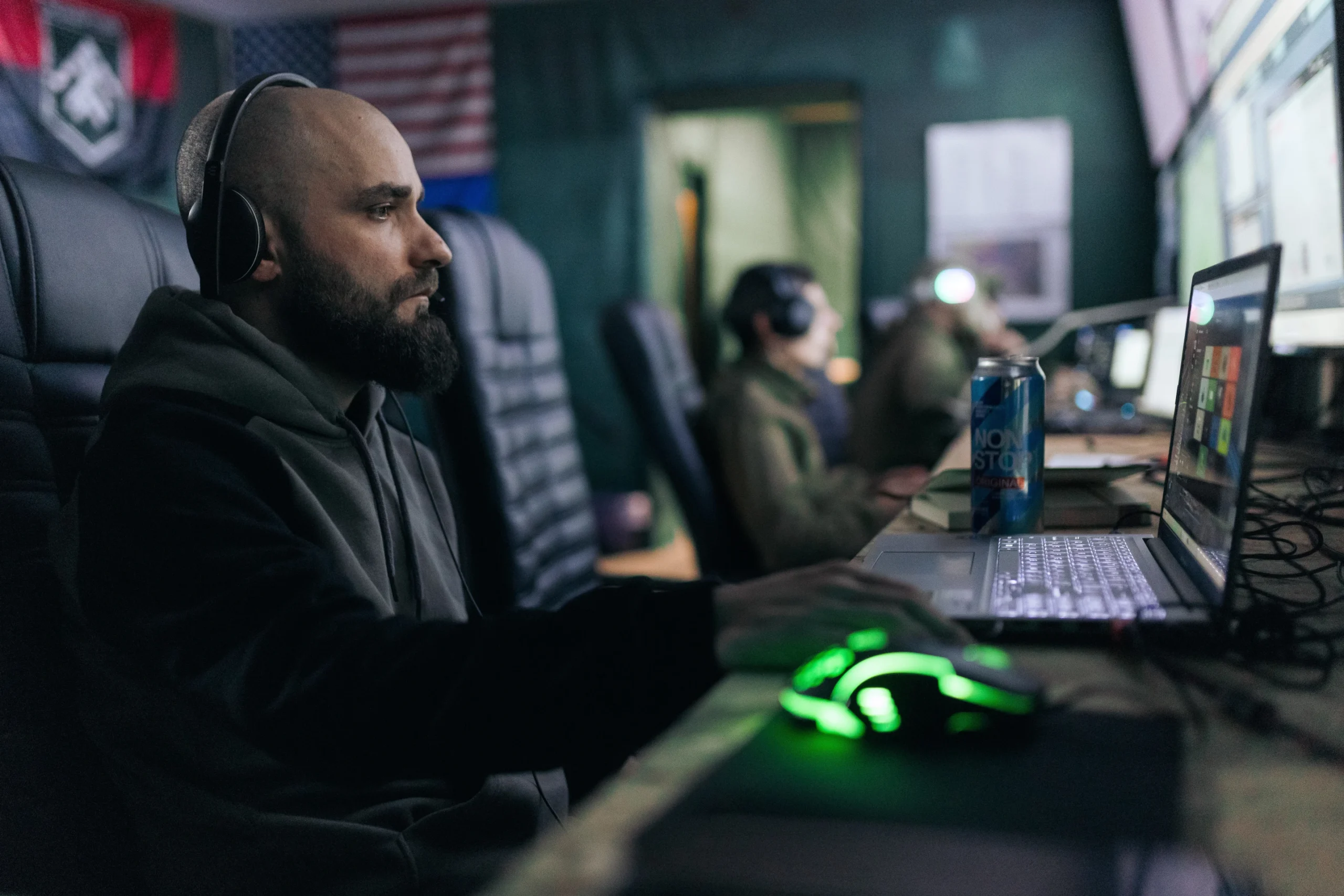
One of the defining features of Ukraine’s evolving military doctrine is the widespread integration of drones and robotic systems.
The Khartiia Corps has developed and deployed ground-based unmanned systems for logistics, evacuation, and combat support. In some operations, drone-assisted assaults have been conducted with minimal direct human engagement, signaling a shift toward automated battlefield tactics.
A report in a U.S. military publication noted that one such drone-led operation near Kharkiv was considered a landmark example of fully robotic combat engagement, highlighting its implications for modern warfare strategies globally.
Combat Performance and Strategic Impact
Khartiia has played a key role in several frontline operations, including counteroffensives in the Kupiansk direction, where Ukrainian forces regained territory and disrupted Russian advances.
Defense analysts have credited such formations with improving Ukraine’s ability to conduct coordinated counterattacks, particularly when Russian units are overstretched or poorly supplied.

While casualty figures are not publicly disclosed, commanders say the corps has maintained operational stability and continues to expand its capacity.
A Military That Thinks Like a Startup
Beyond battlefield tactics, the Khartiia Corps has also adopted modern organizational strategies more commonly associated with the private sector. These include structured recruitment campaigns, social media outreach, and donor engagement systems to support equipment and training needs.
Military officials say this branding approach has become increasingly important in sustaining volunteer interest and attracting resources during a prolonged conflict.
Expanding Influence Within Ukraine’s Armed Forces
The success of formations like Khartiia and the 3rd Army Corps has led to increased interest from other Ukrainian military units seeking to replicate their methods.
Joint training initiatives are now being developed to standardize modern combat practices across parts of the armed forces, particularly in small-unit tactics and leadership development.
However, senior commanders acknowledge that broader institutional reform remains difficult due to entrenched bureaucratic structures.
A War Driving Lasting Transformation
Despite ongoing uncertainty about the war’s outcome and future peace negotiations, Ukrainian commanders argue that the conflict has already permanently reshaped the country’s military identity.
They suggest that Ukraine’s strongest long-term defense may come not only from foreign support, but from a self-reliant, modernized army capable of continuous adaptation under fire.
As the war continues, Ukraine’s evolving battlefield doctrine reflects a broader shift: away from inherited Soviet systems and toward a decentralized, technology-driven model designed for 21st-century warfare.