




















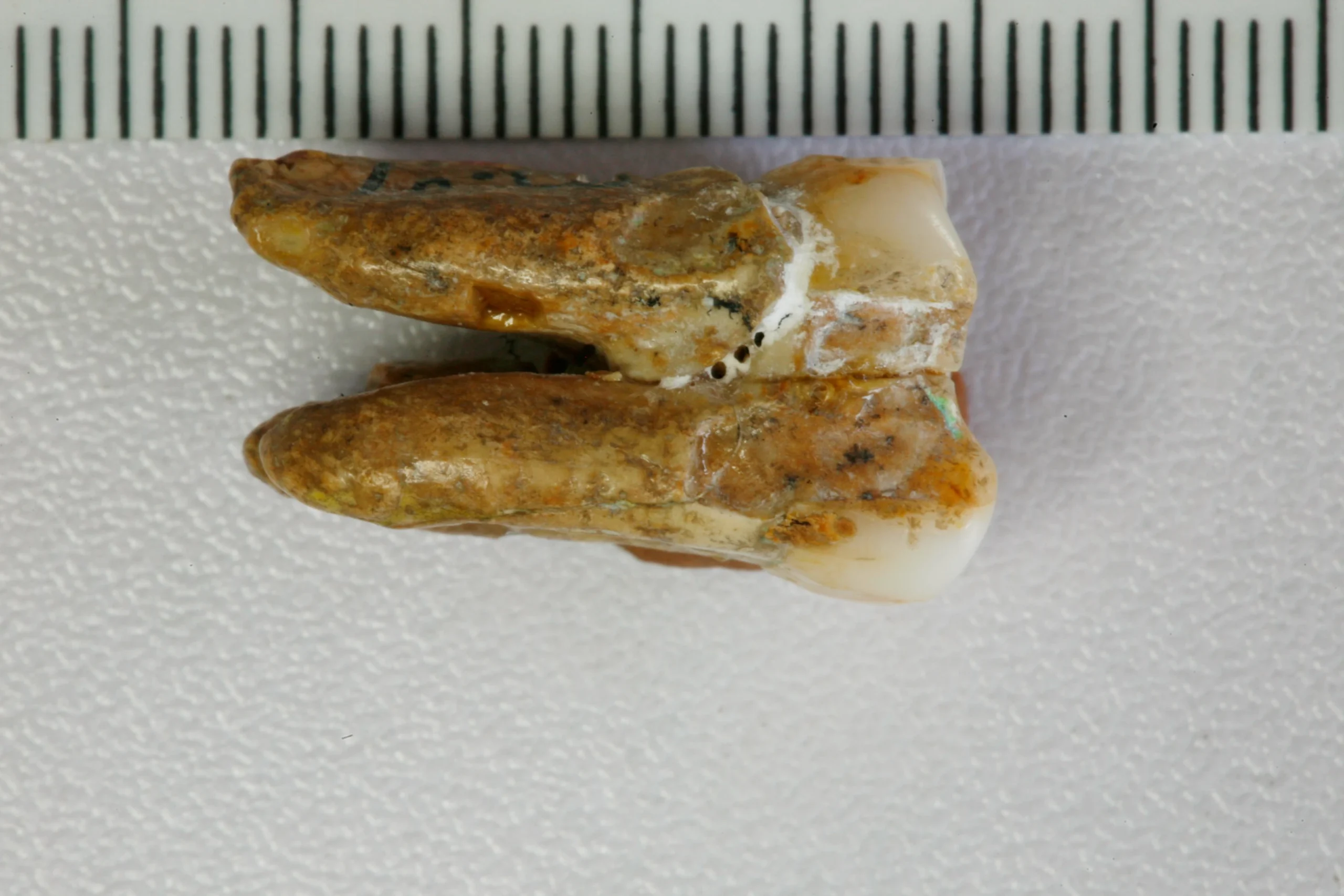
NEW YORK — A new scientific analysis of ancient teeth is shedding light on how early human relatives may have interacted and interbred hundreds of thousands of years ago, offering rare genetic clues about a species long lost to time.
Researchers studying fossilized enamel proteins from early human ancestors have uncovered evidence suggesting unexpected biological connections between ancient populations, including links that may have influenced modern human evolution.
Study Focuses on Homo erectus Fossils
The research examined teeth from Homo erectus, one of the earliest known human relatives. The species first appeared in Africa around 2 million years ago and later spread across parts of Asia and possibly Europe.
Fossil remains of Homo erectus have been discovered in countries such as Indonesia, China, Georgia, and Spain, but scientists have long struggled to recover genetic material due to poor DNA preservation in ancient samples.
Rare Protein Evidence Unlocks Evolutionary Clues
In the latest study, scientists analyzed enamel proteins extracted from six teeth found in China, belonging to five males and one female. These samples date back roughly 400,000 years.
The team identified two key genetic mutations within the proteins. One appears to be unique to East Asian Homo erectus populations, while the other matches a variant found in a small percentage of modern humans as well as in Denisovans.
This overlap suggests there may have been genetic exchange between Homo erectus and Denisovans, either directly or through later interbreeding events involving early human ancestors.
Clues Point to Complex Human Family Tree
Scientists say the findings add another layer of complexity to the human evolutionary story. While some researchers believe Homo erectus may have directly contributed genetic material to Denisovans, others suggest the relationship could instead reflect a shared ancestral lineage.
Paleoanthropologists emphasize that the evolutionary connections between early human species remain difficult to fully map due to limited fossil and molecular evidence.
As one researcher noted, more discoveries are needed to clarify how these groups were related and how genetic traits were passed through generations of early humans.
Call for More Fossil and DNA Evidence
Experts involved in the study stress that additional fossil discoveries and improved techniques for extracting ancient biomolecules are essential for better understanding human evolution.
Because genetic material rarely survives hundreds of thousands of years, enamel proteins offer a valuable alternative source of information for reconstructing ancient biological relationships.
A Small Window Into Deep Human History
Although many questions remain unanswered, the findings highlight how even tiny traces preserved in ancient teeth can reshape understanding of human origins and migration patterns.
Researchers say continued advances in molecular archaeology could eventually reveal a clearer picture of how different early human species interacted, competed, and possibly interbred.c