


















WASHINGTON — Opposition to President Donald Trump’s military campaign against Iran is steadily increasing in the U.S. Senate, with several Republican lawmakers showing growing concern over the administration’s handling of the conflict and its constitutional authority to continue military operations without congressional approval.
In the latest Senate vote on Wednesday, Democratic lawmakers once again attempted to pass a war powers resolution aimed at limiting U.S. involvement in the Iran conflict. Although the measure failed by a narrow 49-50 margin, the vote highlighted widening fractures within the Republican Party over the ongoing war.
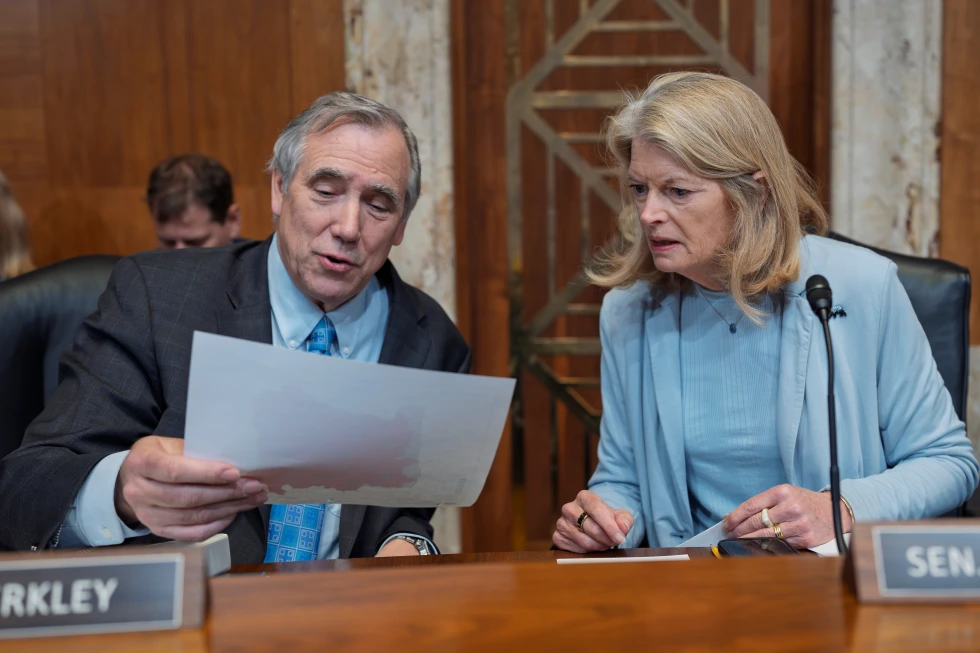
One of the most notable developments came from Republican Senator Lisa Murkowski, who voted against the war effort for the first time since fighting escalated earlier this year. She joined fellow Republicans Susan Collins and Rand Paul, both of whom have consistently expressed skepticism about the administration’s military strategy.
Despite the failed resolution, Democrats argue that repeated votes are increasing political pressure on the White House and drawing attention to concerns about executive power and congressional oversight.
Democratic Senator Tim Kaine, who has led efforts to force Senate votes on the issue, warned before the vote that lawmakers may soon demand an end to the conflict.
The administration has maintained that it does not require additional authorization from Congress to continue military operations against Iran. White House officials argue that a temporary ceasefire means active hostilities have effectively ended, despite continued U.S. military deployments in the region.
Under the War Powers Resolution of 1973, presidents are generally required to seek congressional approval if U.S. military engagements continue beyond 60 days. Critics of the administration argue that the current strategy bypasses those legal obligations.
Defense Secretary Pete Hegseth recently told lawmakers that the administration believes it already possesses sufficient legal authority to resume military strikes if necessary. His remarks drew concern from several senators, including Murkowski, who questioned whether hostilities had truly ended given the continued presence of U.S. forces and naval assets in the Middle East.
Republican leadership has largely defended the administration’s approach, arguing that pressure on Iran has weakened the country economically and strategically. Senate Republican leadership also contends that maintaining pressure in the Strait of Hormuz is critical to U.S. interests and regional stability.
However, some Republicans are becoming increasingly uneasy about the political and economic consequences of a prolonged conflict, particularly rising fuel prices and public fatigue ahead of the upcoming elections.
Republican Senator Mike Rounds suggested that Congress and the White House should work together to clarify constitutional responsibilities surrounding military action rather than continue escalating the political standoff.
Meanwhile, Democrats plan to continue introducing weekly war powers resolutions and may seek to impose additional restrictions during upcoming debates over military funding legislation.
Senator Jeff Merkley said the latest vote reflects growing skepticism among Republicans about the long-term direction of the war and the administration’s broader foreign policy strategy.