




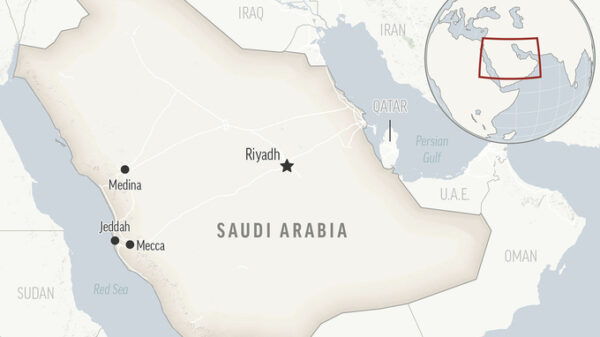














RIO RANCHO, N.M. — New Mexico is experiencing a surge in oil revenue driven by global price spikes linked to the conflict involving Iran and disruptions in the Strait of Hormuz, creating an economic boost that is also stirring political discomfort among state leaders.
The state—one of the most oil-dependent in the U.S. alongside Texas—has seen a sharp increase in revenue from production taxes, royalties, and land leases. The windfall is helping fund major public programs, including free college tuition, universal school meals, health coverage expansions, and a statewide push for universal child care.
Oil Revenue Boom Powers Public Services
New Mexico’s budget structure ties much of its public spending to energy income. As oil prices rise, so does the state’s fiscal capacity.
According to state estimates, every $1 increase in average annual oil prices generates roughly $59 million in additional state revenue. Current wartime market conditions are projected to deliver a surge of about $850 million in extra income for the fiscal year—equal to roughly 12% of the state’s general fund spending.
Much of the money flows into sovereign wealth-style investment funds designed to stabilize long-term public finances and reduce dependence on fossil fuel volatility. These funds support education, Medicaid, infrastructure, and behavioral health programs.
Political Leaders Struggle With “Good Problem”
The sudden influx of oil money has created tension for New Mexico Democrats, many of whom support climate action while also relying on fossil fuel revenues to fund social programs.
Former U.S. Interior Secretary Deb Haaland, who is running for governor, described the situation as morally complicated, pointing to the contrast between increased state revenues and the humanitarian toll of global conflict.
Haaland has proposed channeling the surplus into expanded tax credits for low-income families rather than direct rebates. She argues the state has a responsibility to balance fiscal benefits with broader social priorities.
Her opponent in the Democratic primary, Albuquerque District Attorney Sam Bregman, has taken a different approach, suggesting one-time payments to residents and tax relief for seniors as a way to return surplus funds directly to taxpayers.
Republican Candidates Push Tax Cuts and Structural Reform
Republican contenders for governor are using the oil boom to argue for deeper tax cuts and structural reforms to state finances.
Some have called for eliminating the state’s personal income tax entirely, while others are questioning whether large-scale programs like universal child care can remain sustainable if oil markets shift.
Former Rio Rancho mayor Gregg Hull said higher oil prices are beneficial for the state’s economy and should be leveraged for infrastructure investment in energy-producing regions.
A State Deeply Tied to Oil Wealth
New Mexico is the nation’s second-largest oil-producing state after Texas, with most output flowing from the Permian Basin. Much of the crude is transported to Gulf Coast refineries via Texas.
The state’s reliance on fossil fuel revenue is especially significant given its high poverty rates and heavy reliance on public assistance programs such as Medicaid.
Experts note that New Mexico’s fiscal model creates both stability and risk: while energy booms fund essential services, they also expose the state budget to global price shocks and geopolitical instability.

Broader National Impact of Oil Price Spike
The effects of the conflict extend beyond New Mexico. Energy-dependent states such as Alaska, North Dakota, and Wyoming are also reporting significant revenue increases as global oil prices climb.
At the same time, economists warn that higher energy costs could fuel inflation, reduce consumer spending, and offset gains in sales tax revenue across many states.
Debate Over Long-Term Strategy
Policy analysts say the current boom highlights a long-standing dilemma for resource-rich states: whether to spend windfall revenues immediately or invest them in long-term diversification.
Some economists argue New Mexico should accelerate investment in renewable energy and economic diversification to reduce dependence on volatile fossil fuel markets.
Others say the current system of sovereign wealth funds already provides a buffer against downturns while allowing the state to maintain strong public services.
As the political debate intensifies, New Mexico’s leaders face a familiar but urgent question: how to balance immediate prosperity with long-term economic resilience.