




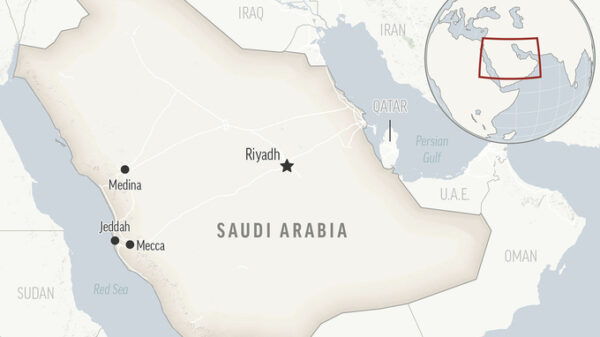















KUALA LUMPUR, Malaysia — Malaysia has officially started enforcing new regulations that prohibit children under the age of 16 from independently creating social media accounts, marking a significant step in the country’s efforts to improve online safety for young users.
The policy, which came into effect on Monday, requires major social media companies to implement robust age-verification measures and prevent underage users from registering accounts on their platforms. The regulations apply to digital services with at least eight million users, including Facebook, Instagram, TikTok and YouTube.
Authorities say the move is designed to reduce children’s exposure to harmful online content, cyberbullying, digital exploitation and platform features that may encourage excessive screen time.
Social Media Platforms Face Heavy Penalties
Under the new framework, companies that fail to comply with the regulations could be fined up to 10 million Malaysian ringgit, equivalent to approximately $2.5 million.
However, the government clarified that parents will not face legal consequences if children manage to circumvent age restrictions and gain access to social media accounts.
Malaysia’s communications regulator emphasized that the initiative is not intended to limit children’s access to the internet or digital learning opportunities. Instead, officials say the goal is to ensure technology providers create safer online environments and introduce stronger protections for minors.
New Safety Requirements for Tech Companies
In addition to age verification, social media platforms will be required to incorporate safety-focused features into their services. These measures include limiting exposure to harmful content, reducing manipulative design practices that encourage compulsive usage, and identifying or removing accounts that violate age restrictions.
Regulators have also announced a transition period to allow technology companies sufficient time to implement the required systems and compliance mechanisms.
So far, major platforms have not publicly outlined detailed plans for meeting the new legal requirements.
Malaysia Joins Global Push for Child Online Protection
Malaysia’s decision reflects a growing international movement aimed at strengthening safeguards for children on social media.
Countries such as Australia, Brazil and Indonesia have introduced or proposed similar age-based restrictions, while governments in the United Kingdom, France, Spain, Denmark, Thailand and South Korea are exploring comparable policies to address concerns surrounding youth digital safety.
The debate has intensified worldwide as lawmakers and parents increasingly question the impact of social media on children’s mental health, emotional development and online behavior.
Concerns Over Effectiveness and Privacy
While many parents and child safety advocates have welcomed the new restrictions, critics argue that enforcement may prove challenging.
Some experts believe underage users could easily bypass age checks by using accounts created by adults or family members. Others have raised concerns about privacy implications, particularly if platforms rely on government-issued identification documents to verify users’ ages.
Digital policy analysts warn that requiring sensitive personal information could create additional risks if data is mishandled or exposed through security breaches.

Tech Industry Raises Questions
Technology companies have also expressed reservations about blanket bans for younger users. Industry representatives argue that removing teenagers from regulated platforms could unintentionally push them toward less secure online spaces with fewer safety protections.
Several platforms have already introduced dedicated youth-focused account settings that restrict direct messaging, limit inappropriate content exposure and encourage healthier screen-time habits.
Supporters of these tools argue that supervised access may offer a more practical solution than outright restrictions.
Balancing Safety and Digital Access
Malaysia’s new law highlights the growing challenge governments face in balancing child protection with digital participation. As online platforms become increasingly central to education, communication and entertainment, policymakers worldwide are searching for effective ways to shield young users from harm without limiting access to valuable digital resources.
The effectiveness of Malaysia’s approach will likely be closely watched by other nations considering similar legislation. Whether the new measures significantly reduce underage social media use remains to be seen, but the policy has already positioned Malaysia among the countries taking some of the strongest regulatory action on child online safety.