













New York City Mayor Zohran Mamdani did not attend the city’s annual parade celebrating Israel on Sunday, marking a significant departure from a long-standing political tradition observed by generations of city leaders.
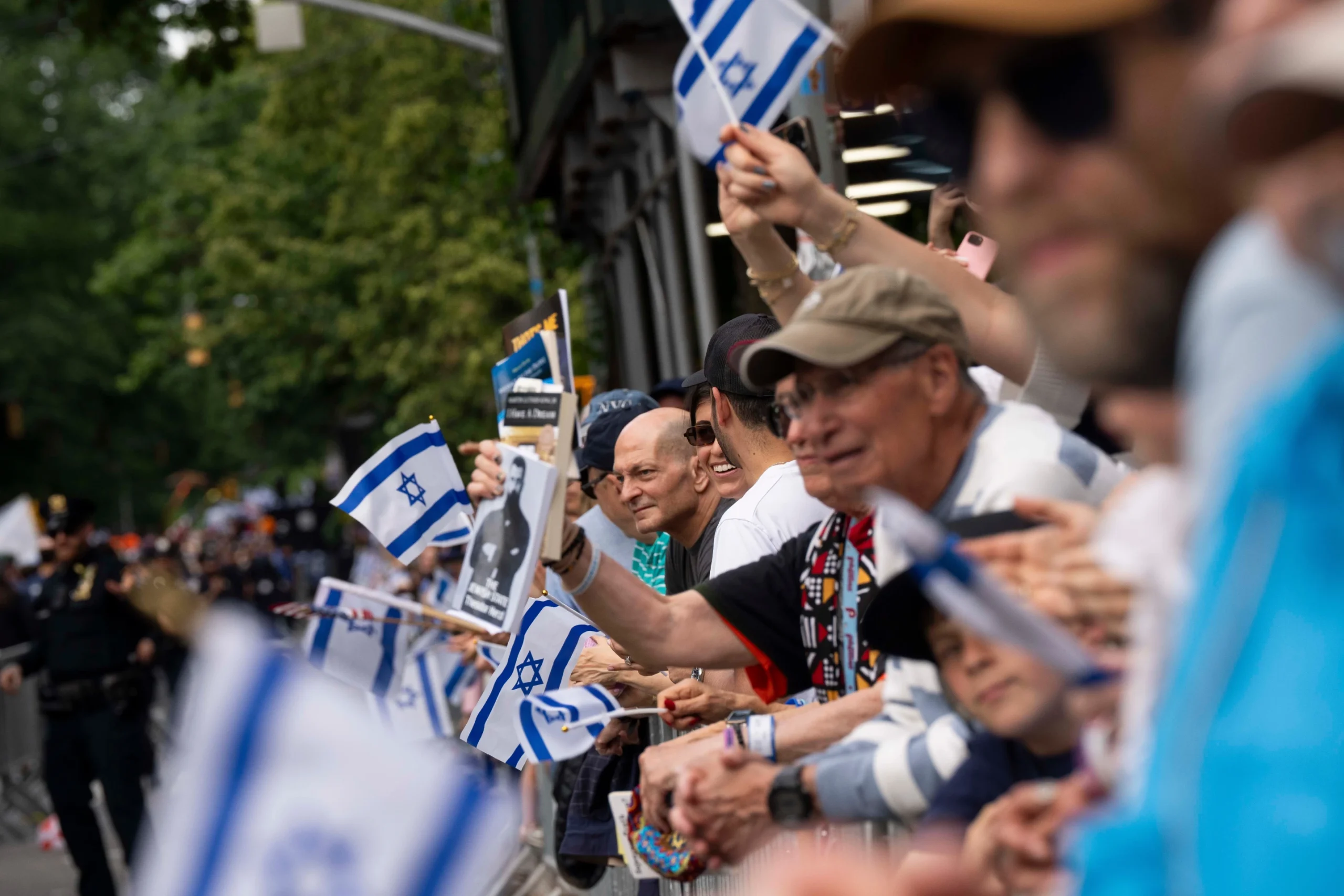
The event, held along Fifth Avenue, has historically attracted mayors, governors, elected officials, and thousands of participants who gather to commemorate the establishment of the State of Israel in 1948. Attendance by prominent political figures has long been considered a symbolic gesture of support for New York’s large Jewish community and Israel.
Mamdani’s decision to stay away from the parade was consistent with positions he expressed during his mayoral campaign. The mayor has frequently criticized policies of the Israeli government while maintaining support for Palestinian rights.
Speaking at a recent press conference, Mamdani said he had previously made clear that he would not participate in the parade and reiterated his views regarding the Israeli government. At the same time, he emphasized that city authorities would ensure the event remained safe and orderly through a strong police presence.
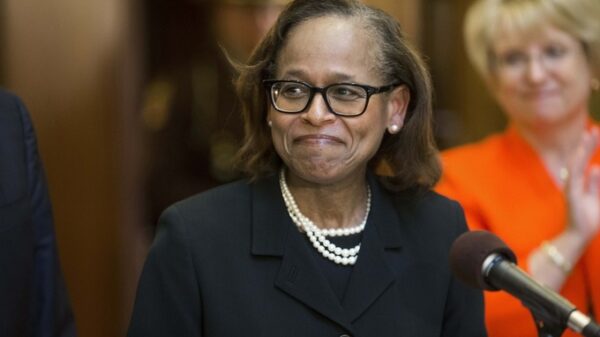
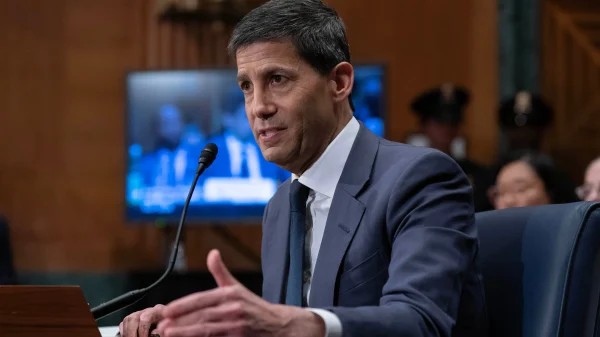
Despite the mayor’s absence, New York Police Commissioner Jessica Tisch attended the parade. Tisch publicly stated that while it was the mayor’s choice not to participate, she was proud to take part in the event.
Nakba Commemoration Sparks Debate
The controversy surrounding Mamdani intensified in recent weeks after City Hall released a video recognizing the Nakba, a term used by Palestinians to describe the displacement of hundreds of thousands of Palestinians during the 1948 Arab-Israeli conflict.
The video featured personal reflections from Inea Bushnaq, who described her family’s displacement and the emotional impact of losing her homeland. The release was viewed by many observers as an unprecedented acknowledgment of the Nakba by a sitting New York City mayor.
However, the video drew criticism from several pro-Israel organizations and Jewish community leaders. Opponents argued that the presentation failed to include broader historical context, including the displacement of Jewish communities from several Middle Eastern countries and the influence of the Holocaust on the creation of Israel.
Jewish Leaders Voice Concerns
Among the most outspoken critics was Rabbi Marc Schneier, founder of The Hampton Synagogue and president of the Foundation for Ethnic Understanding. Schneier condemned both Mamdani’s absence from the parade and the Nakba-focused video, arguing that the mayor’s actions alienated many Jewish residents of New York City.
Critics contend that Mamdani’s approach has deepened tensions at a time when debates over the Israeli-Palestinian conflict remain highly sensitive within the city’s diverse communities.
Supporters of the mayor, however, argue that recognizing Palestinian history and experiences does not diminish support for Jewish New Yorkers. They view Mamdani’s actions as part of a broader effort to address multiple perspectives on a complex historical conflict.
Changing Political Landscape
New York City is home to the largest Jewish population in the United States, and support for Israel has traditionally been a prominent feature of local political life. Many previous mayors maintained close ties with Israeli leaders and frequently visited the country.
At the same time, public opinion in the United States regarding Israel and the Palestinian territories has evolved in recent years, particularly amid ongoing conflict in Gaza. Political leaders across the country have increasingly faced pressure from both pro-Israel and pro-Palestinian constituencies.
As New York City’s first Muslim mayor, Mamdani has remained a vocal advocate for Palestinian rights while also stressing his commitment to protecting Jewish residents. He has repeatedly affirmed Israel’s right to exist and highlighted municipal initiatives aimed at combating antisemitism and safeguarding vulnerable communities.
The mayor’s decision to skip the parade underscores the growing political and cultural debates surrounding the Israeli-Palestinian conflict, a topic that continues to influence public discourse both in New York and across the United States.