


















For many older adults, staying active doesn’t have to mean spending hours in a gym. Increasingly, seniors are discovering that dancing offers a fun and effective way to maintain physical health, boost mental sharpness, and build meaningful social connections.
From ballroom and line dancing to tap, salsa, and fitness-based dance classes, health professionals say moving to music can provide significant benefits for people as they age. Beyond exercise, dancing combines movement, memory, coordination, and social engagement—making it one of the most complete activities for healthy aging.
Dance Delivers More Than Just Exercise
Medical experts emphasize that dancing works multiple parts of the body and mind simultaneously. Regular participation can help improve cardiovascular fitness, strengthen muscles, increase flexibility, enhance coordination, and reduce the risk of falls.
Because many dance routines involve changing directions, balancing on one foot, and memorizing step patterns, participants are constantly challenging both their physical and cognitive abilities.
Health specialists say these combined benefits make dance especially valuable for older adults looking to maintain independence and mobility.
Supporting Brain Health Through Movement
Unlike many traditional workouts, dancing requires continuous mental engagement. Participants must remember routines, respond to music, and coordinate movements with others, all of which stimulate brain activity.
Experts believe these mental challenges may help preserve cognitive function and support memory as people grow older. Learning new routines and practicing choreography can also improve concentration and problem-solving skills.
Many seniors report feeling mentally refreshed and emotionally uplifted after dance sessions, further contributing to overall well-being.
Social Connection Plays a Major Role
One of the biggest advantages of dance is its ability to bring people together. Whether in community centers, dance studios, gyms, or local clubs, participants often form lasting friendships through shared experiences.
For older adults who may experience loneliness or social isolation, dance classes provide opportunities to meet new people, stay connected, and remain engaged in community life.
Researchers have long linked strong social relationships with better mental health outcomes, making group dance activities particularly beneficial.
Active Lifestyles Lead to Healthier Aging
Many longtime dancers say remaining active has helped them maintain energy, confidence, and a positive outlook on life. For some, dancing becomes a lifelong passion that continues well beyond retirement.
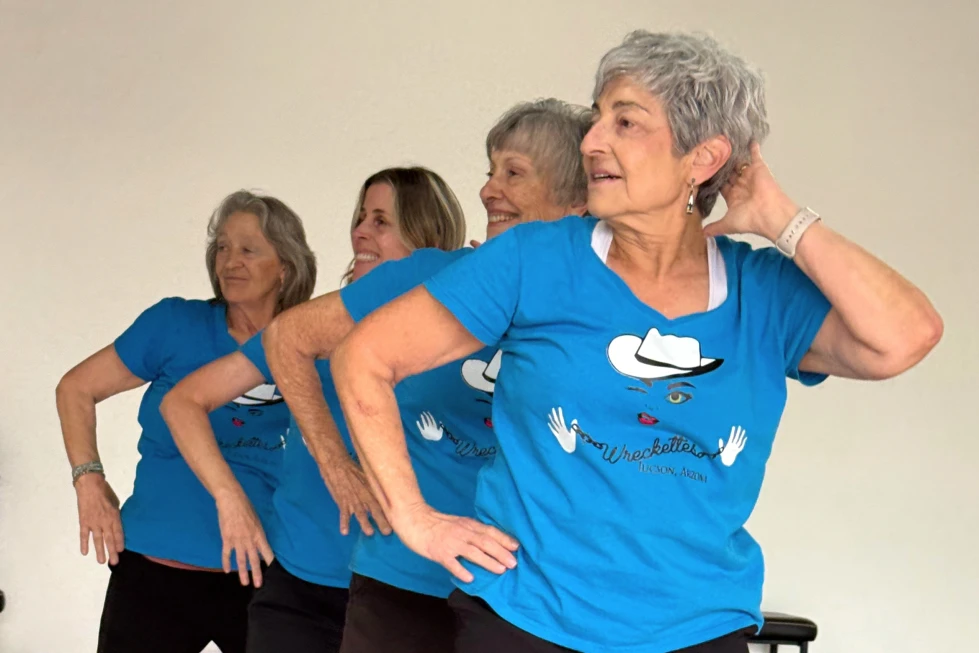
Senior dance groups across the country regularly perform at community events, charity functions, and care facilities, giving participants additional motivation to stay active while bringing joy to others.
Performing for audiences can also create a sense of purpose and accomplishment, which experts say is important for emotional well-being.
Dance and Fall Prevention
Falls remain one of the leading health concerns for older adults. Healthcare providers note that dancing naturally strengthens balance and coordination skills that are essential for preventing injuries.

Many dance styles require controlled movements, weight shifting, and body awareness, helping participants develop stability and confidence in everyday activities.
Regular practice can improve posture, reaction time, and lower-body strength—all critical factors in reducing fall risk.
How Seniors Can Start Dancing Safely
Health professionals recommend speaking with a healthcare provider before beginning any new fitness program, especially for individuals with existing medical conditions.
Beginners are encouraged to start with simple, low-impact dance styles and gradually increase intensity as confidence and fitness improve. Community centers, local recreation programs, fitness clubs, and senior organizations often offer classes specifically designed for older adults.
Online dance programs and instructional videos also provide accessible options for those who prefer exercising at home.
Fun May Be the Biggest Benefit of All
While the physical and mental advantages of dancing are well documented, experts say enjoyment remains one of its greatest strengths. Activities that people genuinely enjoy are more likely to become long-term habits.
Whether dancing with a partner, participating in a group class, or simply moving to favorite songs at home, older adults can gain meaningful health benefits while having fun.
As more seniors embrace dance as part of their wellness routine, experts agree on one thing: staying active through music and movement can help make the later years healthier, happier, and more fulfilling.