






















As climate-related disasters become more frequent and severe, mental health professionals are urging people to prepare not only for physical safety but also for the emotional challenges that often accompany extreme weather events.
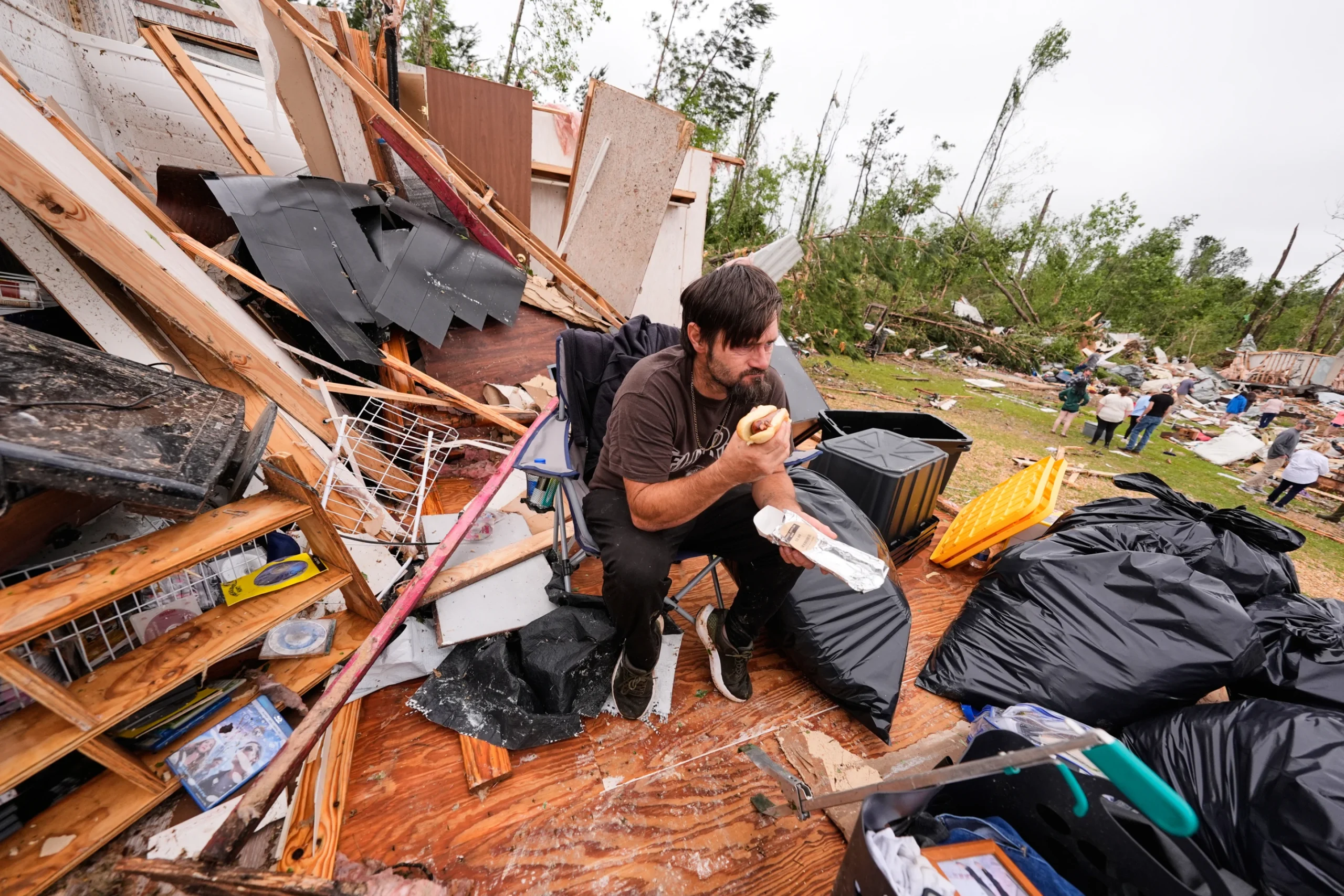
From destructive hurricanes and devastating wildfires to widespread flooding and powerful tornadoes, communities around the world are facing increasing weather-related threats. While the physical damage caused by these disasters is often visible, experts say the psychological impact can be just as significant.
Preparing Ahead Can Reduce Stress
Mental health specialists emphasize that having a clear emergency plan is one of the most effective ways to manage anxiety before a disaster strikes. Developing evacuation strategies, assembling emergency supply kits, and understanding local emergency procedures can help individuals and families feel more in control during uncertain situations.
According to researchers studying the effects of natural disasters, preparedness plays a crucial role in reducing fear and emotional distress. Knowing what actions to take during an emergency can provide reassurance and improve overall resilience.
Experts also recommend staying informed through reliable weather updates and emergency alerts. Access to accurate information helps people make informed decisions and avoid unnecessary panic.
Building a Family Emergency Strategy
Creating a household disaster plan should include all family members, including children, older adults, people with disabilities, and pets. Emergency contacts, evacuation routes, medical needs, and communication plans should be discussed well before a crisis occurs.
Psychologists note that while weather events are often unpredictable, preparing for potential scenarios can reduce feelings of helplessness. Accepting that some factors remain outside personal control can also help individuals manage stress more effectively.
Helping Children Understand Severe Weather
Children may experience fear and confusion when they hear about storms, floods, or wildfires. Mental health professionals advise parents to discuss severe weather in a calm and age-appropriate manner.
Open conversations can help children understand what is happening without becoming overwhelmed. Experts caution adults against displaying excessive panic in front of children, as young people often mirror the emotions of those around them.
Providing factual information, answering questions honestly, and reassuring children about safety plans can help ease their concerns.
Disaster Impacts Extend Beyond Direct Victims
Research conducted following major wildfire events has shown that emotional and psychological effects often spread throughout entire communities, including among residents who were not directly affected by the disaster.
Mental health experts say it is important for people to monitor their emotional well-being after major weather events, regardless of whether they suffered property damage or personal loss. Feelings of stress, sadness, anxiety, or uncertainty can emerge long after the immediate danger has passed.
Returning to Routine Supports Recovery
After a disaster, restoring daily routines can play a key role in emotional recovery. Returning to work, school, community activities, and regular schedules helps rebuild a sense of stability and normalcy.
Experts also encourage individuals to stay connected with family members, friends, neighbors, and support groups. Sharing experiences and discussing concerns can reduce feelings of isolation during difficult times.
Positive Actions Can Strengthen Resilience
Mental health organizations recommend engaging in constructive activities following a disaster. Volunteering, donating supplies, supporting recovery efforts, or helping affected neighbors can provide a renewed sense of purpose and community connection.

These actions not only assist those in need but can also help individuals cope with feelings of powerlessness that often follow major emergencies.
When to Seek Professional Help
While stress reactions after disasters are common, persistent symptoms that continue for weeks may indicate a more serious mental health concern, such as post-traumatic stress disorder (PTSD). Experts advise seeking professional support if anxiety, fear, sleep problems, or emotional distress begin interfering with daily life.
As extreme weather events continue to affect communities worldwide, specialists stress that preparedness, reliable information, social support, and mental health awareness remain essential tools for coping with uncertainty and building long-term resilience.