
















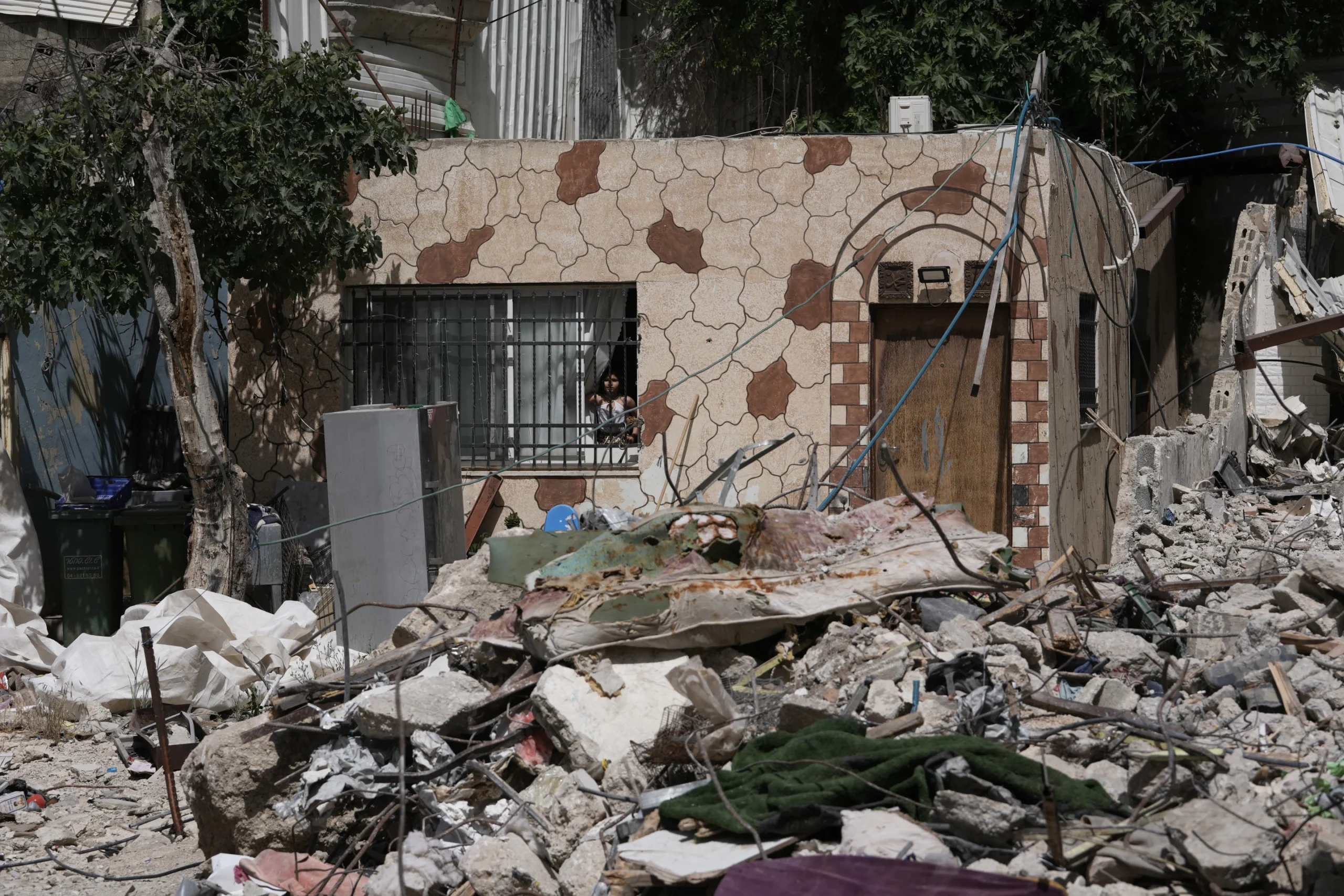
Tensions over land, housing rights, and demographic changes in East Jerusalem are escalating as Israeli authorities accelerate home demolitions and evictions in predominantly Palestinian neighborhoods, drawing criticism from human rights groups and raising fresh concerns about the future of the city.
According to monitoring organizations, the pace of demolitions and displacement actions has increased significantly over the past few years, with hundreds of Palestinian families facing uncertainty as settlement expansion continues across contested areas of East Jerusalem.
Palestinian Residents Face Growing Displacement Pressure
For many Palestinian families, the struggle to remain in their homes has stretched across decades. Residents in neighborhoods such as Silwan and Al-Bustan say they have spent years challenging demolition orders and eviction notices through legal channels, often with limited success.
Families affected by demolitions describe losing homes, personal belongings, and long-established community ties. Many now live in temporary structures or with relatives while awaiting further legal decisions.
Human rights advocates argue that restrictive planning policies make it extremely difficult for Palestinians to obtain building permits, forcing many to construct homes without official authorization. These structures subsequently become vulnerable to demolition under municipal regulations.
Sharp Rise in Home Demolitions
Data compiled by Israeli monitoring groups indicates that demolitions in East Jerusalem have reached some of the highest levels recorded in recent years. More than 260 homes and structures were reportedly demolished during 2025, while additional demolitions have continued throughout 2026.
Critics contend that these measures are part of a broader strategy aimed at reshaping the demographic landscape of East Jerusalem. Israeli officials reject such claims, maintaining that enforcement actions are based solely on planning and zoning violations.
Municipal authorities state that structures targeted for demolition were built without the necessary permits and that urban development projects are intended to benefit all residents of the city.
Settlement Growth Remains a Central Point of Dispute
East Jerusalem remains one of the most sensitive issues in the Israeli-Palestinian conflict. Israel captured the territory during the 1967 Middle East war and later annexed it, a move not recognized by much of the international community.
Israeli settlement organizations continue to expand their presence in several Palestinian neighborhoods through property acquisitions and legal claims linked to historical ownership. Palestinian residents and advocacy groups argue that these actions are contributing to a gradual displacement of local communities.
Several neighborhoods have become focal points for legal battles, with courts ruling on competing ownership claims that often date back decades.
Permit Disparities Draw Criticism
Rights organizations have highlighted significant differences in building permit approvals between Jewish and Palestinian residents of Jerusalem. They argue that limited access to permits restricts housing development in Palestinian areas, contributing to overcrowding and unauthorized construction.
Israeli authorities maintain that permit approvals are governed by planning requirements and legal procedures, rejecting accusations of discriminatory practices.
The issue remains a major source of tension as East Jerusalem’s population continues to grow and housing demand increases.
International Attention on East Jerusalem Policies
The expansion of settlements and increase in demolitions have drawn criticism from international human rights organizations and diplomatic observers. Many view such actions as obstacles to a future negotiated settlement between Israelis and Palestinians.

Previous U.S. administrations frequently expressed opposition to settlement growth, while recent policy shifts have altered the level of international pressure applied to Israeli authorities regarding East Jerusalem development.
Analysts note that regional conflicts involving Gaza, Lebanon, and Iran have often overshadowed developments in East Jerusalem, allowing local disputes over land and housing to receive less global attention.
Uncertain Future for Affected Families
As legal challenges continue, hundreds of Palestinian families remain at risk of displacement. Community leaders warn that ongoing demolitions and evictions could further deepen divisions and complicate efforts to achieve a lasting political resolution.
For residents facing removal orders, the issue extends beyond property disputes. Many view the struggle as a fight to preserve their history, identity, and long-standing connection to the city.