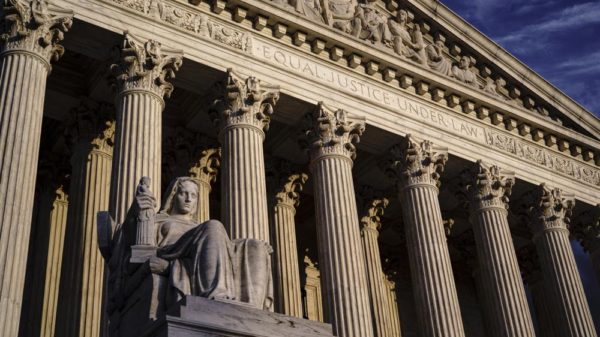
















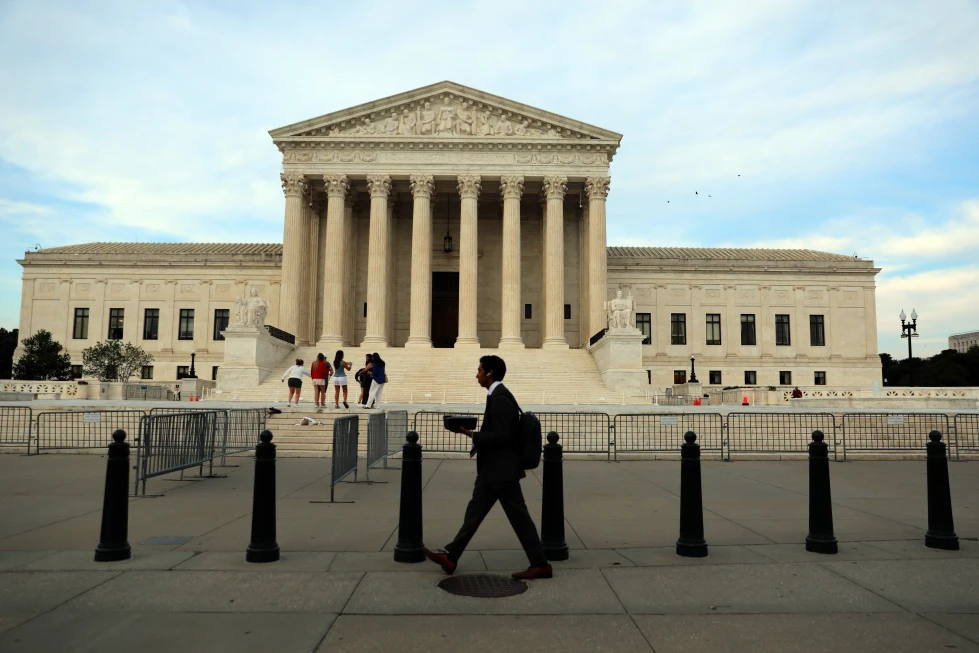
Washington, D.C.: The U.S. Supreme Court is preparing to conclude its current term with several highly anticipated rulings that could significantly shape presidential authority, election laws, immigration policy, and civil rights in the United States.
The remaining decisions, expected before the court’s summer recess, involve some of the most consequential legal disputes of the year, many centered on policies introduced by President Donald Trump.
Major Decisions on Presidential Authority Awaited
Among the most closely watched cases are legal challenges involving the scope of presidential power.
The justices are expected to rule on whether a president has broad authority to dismiss leaders of independent federal agencies without specific cause. The decision could redefine the balance of power between the White House and independent government institutions.
Another pending case involves the administration’s attempt to remove a sitting member of the Federal Reserve’s governing board, a move that could affect the long-standing independence of the U.S. central bank.
Birthright Citizenship Challenge in Focus
The Supreme Court is also weighing a challenge to the administration’s effort to restrict birthright citizenship through executive action.
The proposal seeks to deny automatic U.S. citizenship to certain children born in the country to parents who are either in the United States unlawfully or temporarily.
The issue has drawn national attention because it concerns the interpretation of the 14th Amendment of the U.S. Constitution, which has traditionally been understood to guarantee citizenship to nearly everyone born on American soil.
Cases on Transgender Student Athletes
Another set of major rulings involves state laws governing participation in school sports.
The court is reviewing legal challenges to laws enacted in several states that prohibit transgender girls and women from competing on female public school and college sports teams.
The decisions are expected to influence similar legislation across the country and could establish nationwide legal standards on the issue.
Election Rules Also Before the Court
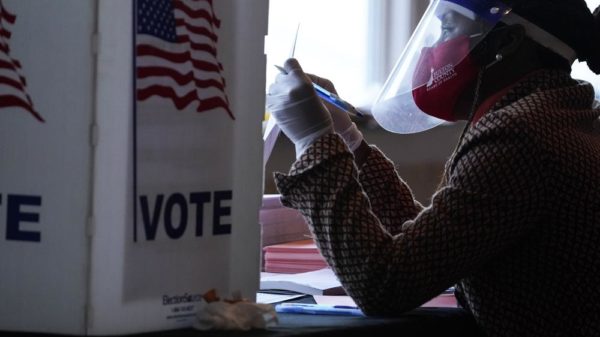
The justices are considering two important election-related disputes ahead of future federal elections.
One case examines whether states may continue counting mailed ballots received after Election Day if they were postmarked on time.
Another addresses limits on political party spending in support of candidates seeking congressional and presidential office.
Both rulings could have significant implications for election administration and campaign finance laws.

Digital Privacy Case Could Set New Legal Standard
The court is also expected to decide whether law enforcement agencies may use geofence warrants to obtain location data from mobile phones during criminal investigations.
Privacy advocates argue that the practice collects information from large numbers of individuals without probable cause, while investigators say it can be an important tool for solving serious crimes.
The ruling could become a landmark decision on digital privacy rights.
Immigration Cases Remain a Key Focus
Throughout the current term, the Supreme Court has issued several decisions affecting immigration policy.
The conservative majority has generally supported aspects of the administration’s immigration agenda, including allowing changes to certain humanitarian protections.
Another pending immigration case could determine how asylum claims are evaluated for individuals seeking protection in the United States.
Final Week Expected to Shape Future Legal Landscape
The Supreme Court traditionally concludes its annual term before Independence Day, making this week’s rulings among the most significant of the judicial calendar.
Legal experts say the remaining decisions could have lasting effects on executive authority, constitutional interpretation, election procedures, civil liberties, and federal governance for years to come.