








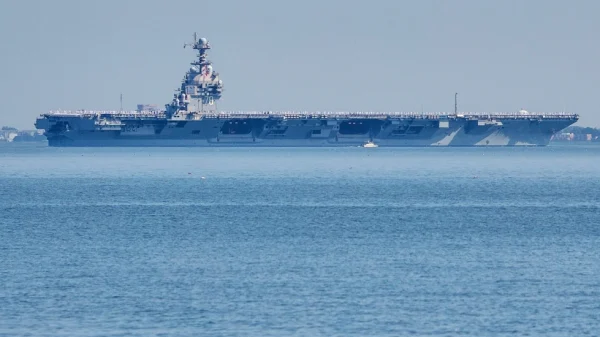








Despite ongoing military operations and diplomatic pressure, fully restoring commercial shipping through the Strait of Hormuz remains an enormous challenge for the United States, with defense experts warning that achieving lasting security could require a far larger military presence than currently deployed.
As tensions between the United States and Iran continue to rise, analysts say Tehran retains significant capabilities to disrupt one of the world’s most strategically important maritime routes.
Strait of Hormuz Remains a Global Energy Lifeline
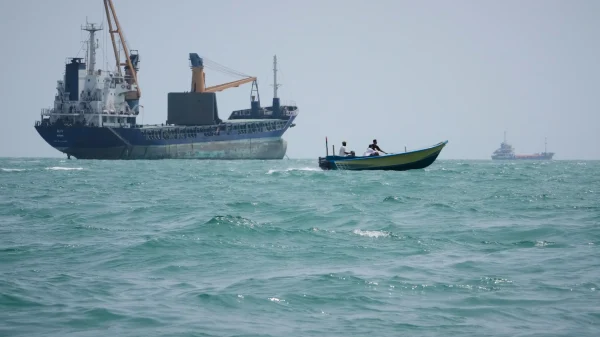
The Strait of Hormuz is one of the busiest shipping corridors in the world, serving as a key gateway for global oil and liquefied natural gas exports.
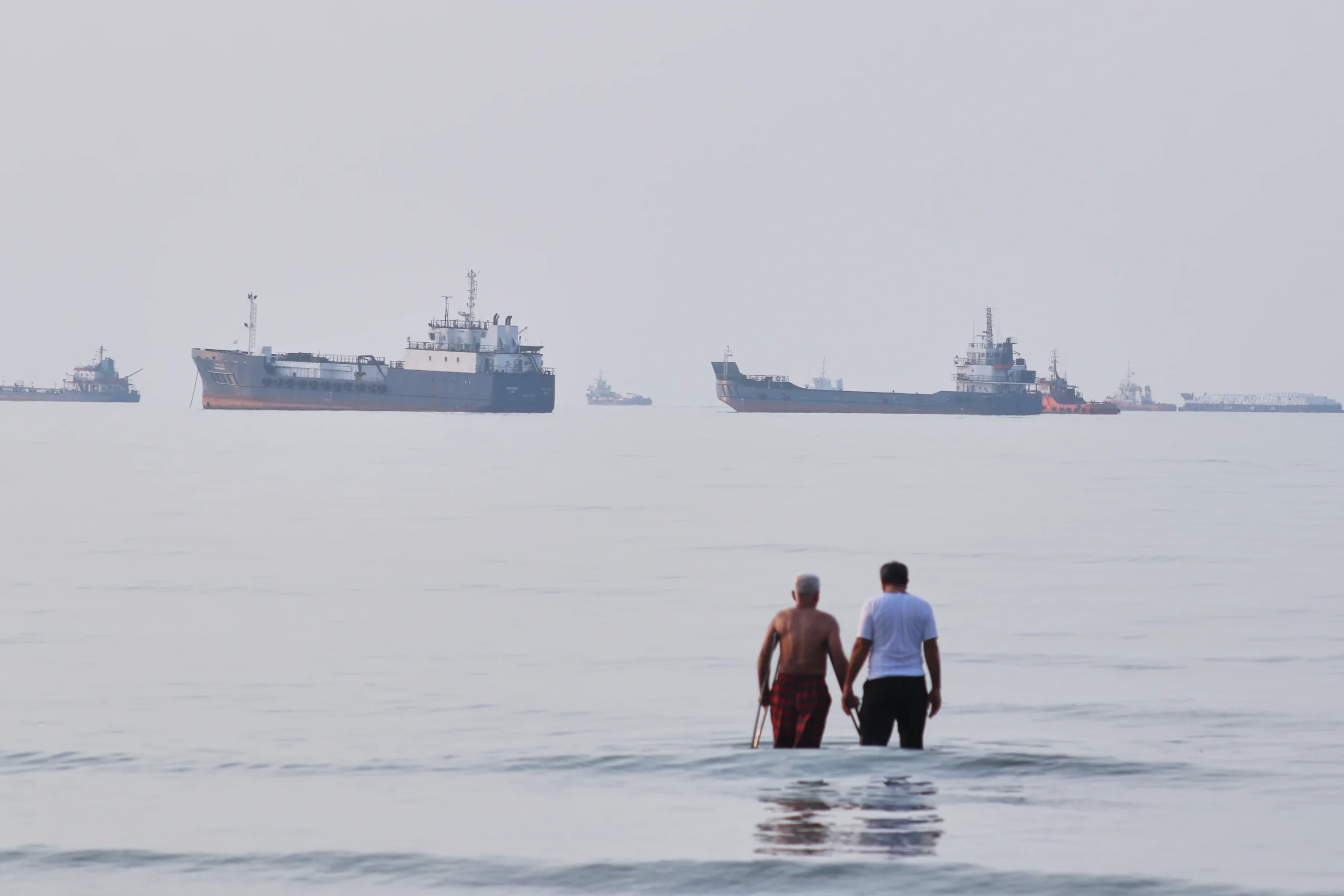
Although the United States has intensified military operations in the region and announced renewed measures aimed at securing maritime traffic, commercial shipping remains limited due to continuing security threats and uncertainty.
Energy markets remain sensitive to developments in the region, with concerns over potential supply disruptions contributing to higher oil prices.
Iran Retains Strong Defensive Capabilities
Military analysts say Iran has spent decades preparing for asymmetric warfare, allowing it to challenge larger military powers through dispersed missile systems, drones, naval mines, and fast attack boats.
Unlike conventional military forces, many of Iran’s defensive assets are widely distributed and concealed across extensive coastal territory, making them difficult to eliminate through airstrikes alone.
Experts believe these capabilities continue to pose a significant threat to commercial shipping even after repeated U.S. military operations.
Ground Operations Could Be Required
Some defense specialists argue that permanently neutralizing threats along the Strait of Hormuz would likely require large-scale ground operations inside Iran.
Such a mission could involve tens of thousands of troops tasked with locating hidden missile sites, clearing minefields, securing coastal areas, and protecting strategic infrastructure.
Military analysts caution that any prolonged ground deployment would expose U.S. forces to insurgent attacks and carry substantial financial and operational costs.
Naval Escorts Offer an Alternative
Rather than deploying ground forces, another option would involve expanding naval escort missions for commercial vessels traveling through the Strait of Hormuz.
The United States conducted similar operations during the 1980s to protect oil tankers during the Iran-Iraq War.
However, experts note that today’s security environment is considerably more complex due to advances in missile technology, drones, and other precision weapons that increase risks for both military escorts and civilian shipping.
Maintaining continuous escort operations would also require a significant commitment of U.S. naval assets over an extended period.

Shipping Industry Faces Ongoing Risks
Beyond direct military attacks, analysts say the mere threat of violence can discourage commercial shipping companies from using the Strait of Hormuz.
Warnings issued over maritime radio channels, reports of sea mines, and uncertainty surrounding safe navigation routes have already prompted many operators to alter shipping plans or delay voyages.
Although alternative routes near Oman’s coastline have been used under U.S. monitoring, some vessels operating there have also faced security incidents, highlighting the continuing risks.
Political and Economic Pressure Mounts
The prolonged confrontation is creating challenges beyond the battlefield.
Higher oil prices have increased concerns about inflation and fuel costs, while uncertainty over maritime security continues to affect global supply chains and international trade.
At the same time, policymakers face growing pressure to balance military objectives with the potential human, financial, and political costs of expanding operations in the region.
Long-Term Solution Remains Uncertain
Security experts generally agree that restoring unrestricted commercial navigation through the Strait of Hormuz will require more than isolated military strikes.
Whether through expanded naval patrols, diplomatic negotiations, or broader military operations, ensuring lasting stability in one of the world’s most critical energy corridors remains a complex challenge with significant regional and global implications.