
















The conflict between the United States and Iran intensified sharply after U.S. forces carried out a new wave of military strikes against Iranian targets, prompting retaliatory attacks across the Middle East and raising concerns over regional stability and global energy security.
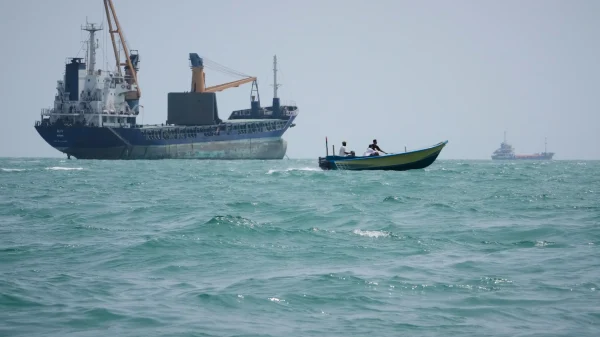
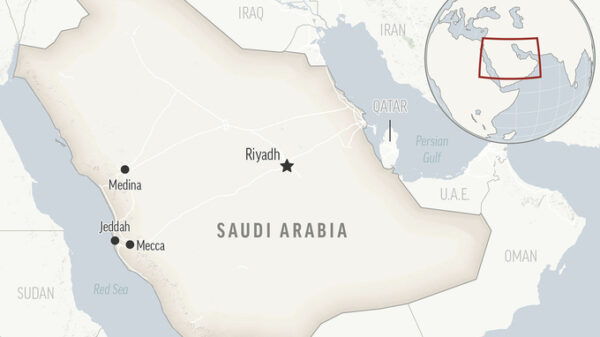
The latest escalation centers on the strategically vital Strait of Hormuz, a critical shipping corridor that carries a significant share of the world’s oil and natural gas exports. Both Washington and Tehran continue to assert influence over the waterway, increasing fears of prolonged disruption to international trade.
US Targets Iranian Military Infrastructure
The U.S. military confirmed that its latest operation struck multiple locations across southern Iran, targeting coastal defense systems, missile installations, drone facilities, and maritime assets believed to support Iranian military operations.
According to U.S. Central Command, the objective was to reduce Iran’s ability to threaten commercial shipping and military forces operating in and around the Strait of Hormuz.
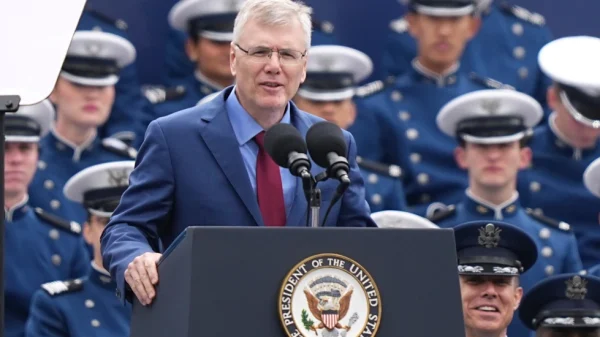
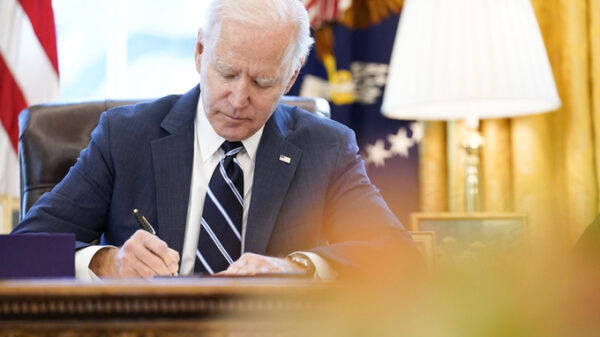
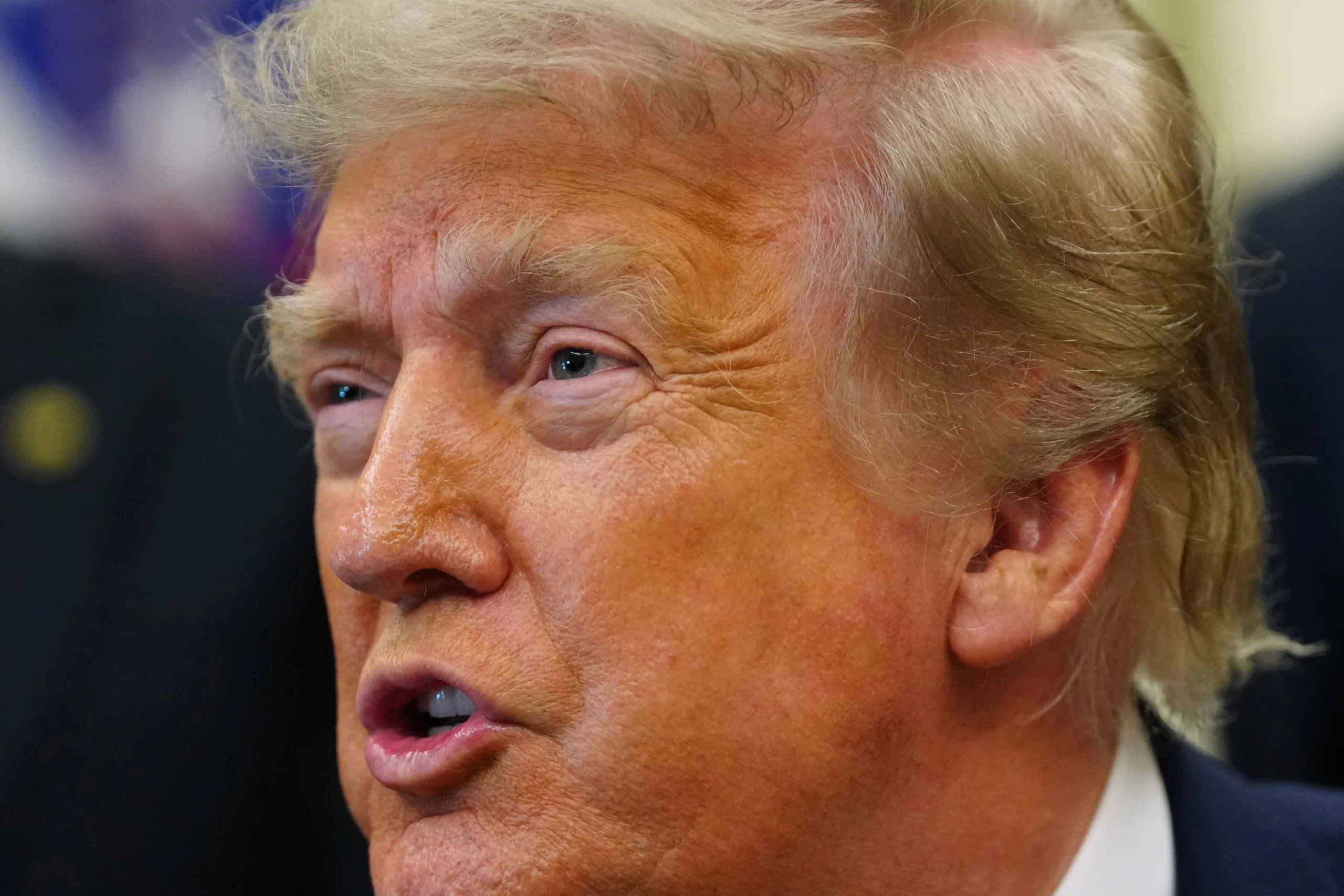
President Donald Trump described the operation as another major step in the ongoing campaign, stating that U.S. forces would continue military actions while seeking to maintain secure navigation through the strategic waterway.
Trump Announces Renewed Blockade Measures
Alongside the military operation, President Trump announced the reinstatement of a blockade targeting Iran and proposed imposing transit fees on commercial vessels using the Strait of Hormuz under U.S. security protection.
The administration argued that the proposed charges would help offset the costs of maintaining maritime security in the increasingly volatile region.
The proposal marks a significant shift from the longstanding U.S. position supporting unrestricted freedom of navigation through international waterways and has sparked debate among legal and maritime experts.
Iran Responds with Regional Attacks
Iran launched retaliatory strikes following the U.S. operation, targeting several locations across the region.
Authorities reported attacks affecting Bahrain and Jordan, while two commercial oil tankers linked to the United Arab Emirates were struck while transiting the Strait of Hormuz.
The attacks reportedly resulted in the death of one crew member and injuries to several others. Emergency teams managed to extinguish fires aboard both vessels after the incident.
Iran’s Islamic Revolutionary Guard Corps stated that the ships had ignored warnings and entered a restricted maritime zone before being targeted.
Gulf States Increase Security Measures
The attacks prompted heightened security alerts across several Gulf countries.
Bahrain activated air raid warning systems following reports of incoming missiles, while Jordan announced that its air defense forces intercepted multiple projectiles.
The United Arab Emirates strongly condemned the attacks on commercial shipping and stated that it reserves the right to respond to actions threatening its territory and maritime interests.

Meanwhile, U.S. diplomatic missions in the UAE temporarily suspended routine consular services because of the deteriorating security environment.
Oil Markets React to Rising Tensions
Global energy markets responded quickly to the renewed fighting.
Benchmark Brent crude prices climbed to their highest level in nearly a month as traders assessed the growing risks to one of the world’s most important oil transit routes.
Although prices remain below the peak levels reached during earlier stages of the conflict, analysts warn that any prolonged disruption to shipping through the Strait of Hormuz could further increase fuel prices and transportation costs worldwide.
Peace Agreement Faces Growing Pressure
The latest military exchanges have placed additional strain on the interim agreement reached between Washington and Tehran in recent weeks.
The United States maintains that the agreement was intended to restore open navigation through the Strait of Hormuz while broader diplomatic negotiations continued.
Iran, however, argues that the deal grants it authority to regulate vessel movements within the waterway and establish operational requirements for commercial shipping.
The conflicting interpretations have contributed to repeated military confrontations and growing uncertainty over the future of the ceasefire.
International Concern Continues to Grow
With both sides increasing military operations and regional allies becoming more directly involved, international observers remain concerned that the confrontation could expand further.
The Strait of Hormuz remains one of the world’s most strategically significant maritime passages, and continued instability threatens global energy supplies, international shipping, and economic stability.
Diplomatic efforts to de-escalate the crisis remain ongoing, but repeated exchanges of fire suggest that tensions between the United States and Iran are far from resolved.