










A delegation of four Democratic members of the U.S. Congress has criticized the United States’ energy embargo on Cuba, arguing that the restrictions have deepened the island’s humanitarian and economic crisis and left millions of residents facing prolonged power shortages and deteriorating living conditions.
During a multi-day visit to Havana, the lawmakers met with Cuban President Miguel Díaz-Canel, government officials, healthcare professionals, and business representatives to assess the impact of the ongoing energy restrictions.
Congressional Delegation Visits Cuba
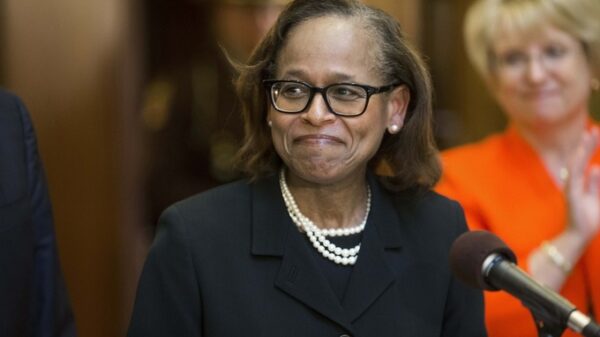
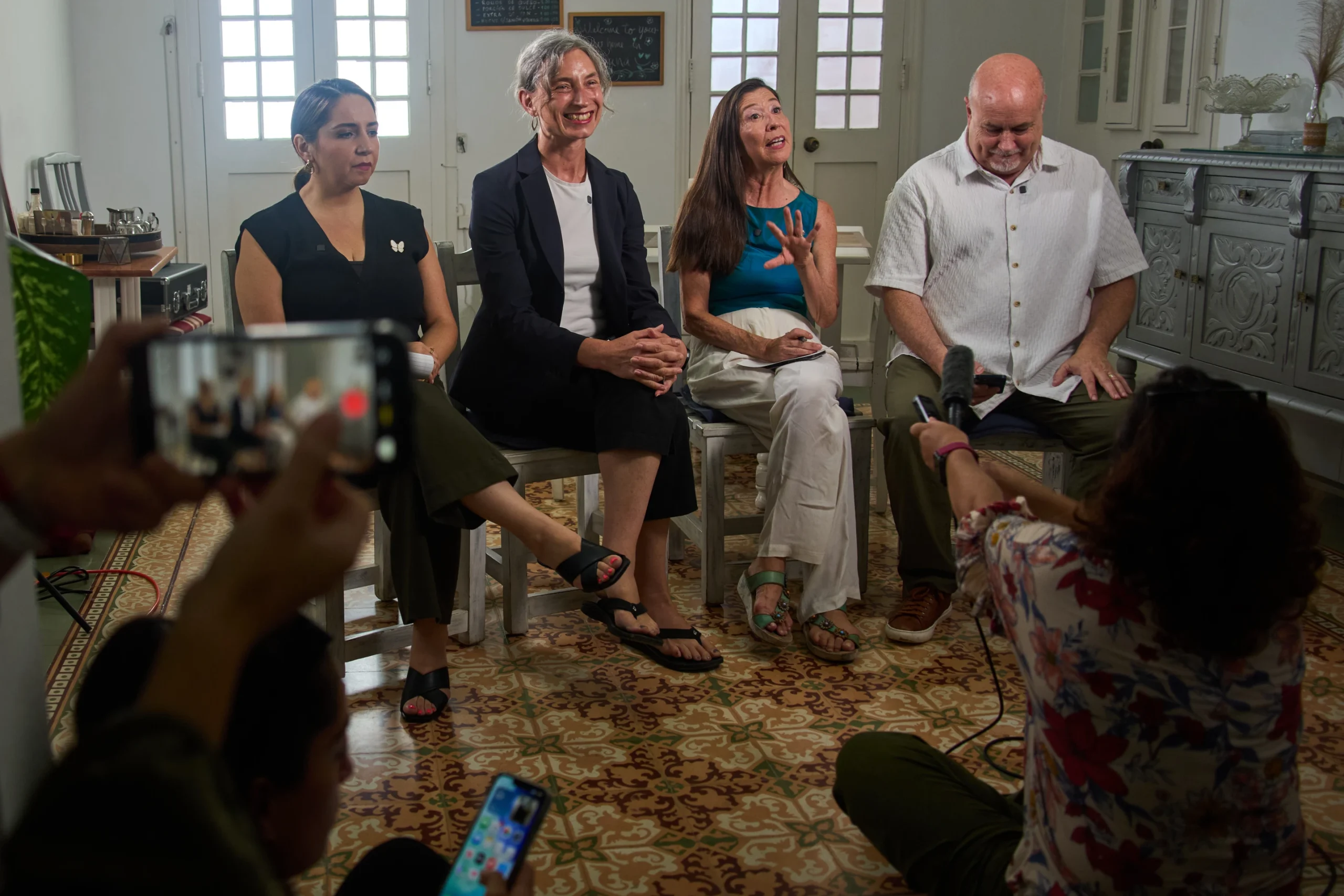
The delegation included Representatives Mark Pocan of Wisconsin, Teresa Leger-Fernández of New Mexico, Maxine Dexter of Oregon, and Delia Catalina Ramírez of Illinois.
Their visit, which lasted from Thursday through Monday, marked the second congressional trip to Cuba in recent months amid continued tensions between Washington and Havana.
The lawmakers said the discussions focused on the island’s worsening energy shortages, healthcare challenges, and broader economic conditions.
Energy Restrictions Deepen Economic Crisis
The current U.S. energy embargo was introduced earlier this year after Washington tightened sanctions targeting Cuba’s fuel supplies.
The restrictions followed broader U.S. actions aimed at limiting energy shipments to the island and discouraging other countries from exporting fuel to Cuba.
Analysts say the measures have intensified an economic crisis that has been developing for several years, alongside domestic economic difficulties and previous sanctions.
Across Cuba, residents continue to experience extended electricity outages, reduced public transportation, disruptions to commercial activity, declining tourism, and shortages affecting daily life.
Lawmakers Highlight Humanitarian Concerns
Speaking to reporters after the visit, members of the delegation expressed concern over the humanitarian impact of the energy restrictions.
Representative Mark Pocan said a Cuban resident described the situation as a “silent Gaza,” referring to widespread hardship despite the absence of active warfare. Pocan used the phrase to illustrate the severe effects prolonged power shortages have had on everyday life, including food preservation, healthcare access, and employment.
Representative Teresa Leger-Fernández questioned the effectiveness of policies that place additional hardship on civilians, arguing that prolonged suffering is unlikely to produce constructive diplomatic outcomes.
Criticism of Current US Policy
Members of the delegation also criticized the current U.S. approach toward Cuba, with some questioning whether existing policies are advancing American foreign policy objectives.
Representative Pocan specifically criticized Secretary of State Marco Rubio, suggesting that Washington’s Cuba policy has become increasingly influenced by political considerations.
The lawmakers acknowledged, however, that there are currently no formal negotiations underway between the United States and Cuba regarding the removal of the energy embargo.

Healthcare and Legislative Action
Representative Maxine Dexter, a physician, and Representative Delia Catalina Ramírez said they intend to pursue legislative efforts aimed at reducing the humanitarian effects of the embargo, particularly within Cuba’s healthcare sector.
They also indicated support for greater congressional oversight of future executive actions involving Cuba, emphasizing that significant policy changes should involve legislative review.
Diplomatic Contacts Continue
Although official negotiations remain limited, both governments have previously acknowledged maintaining periodic diplomatic communication.
Recent reports have also indicated that informal efforts to encourage renewed dialogue have continued through intermediaries, though neither Washington nor Havana has publicly disclosed details of those contacts.
Uncertain Path Forward
The congressional visit highlights ongoing debate within the United States over the effectiveness of sanctions and their humanitarian consequences.
While the U.S. government maintains that economic pressure is intended to influence Cuba’s leadership, critics argue that ordinary citizens have borne the greatest burden of the restrictions.
With no immediate breakthrough in bilateral relations, Cuba’s energy crisis is expected to remain a major challenge for both policymakers and the island’s population.