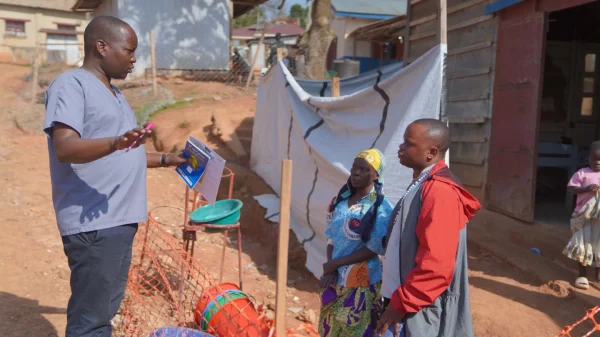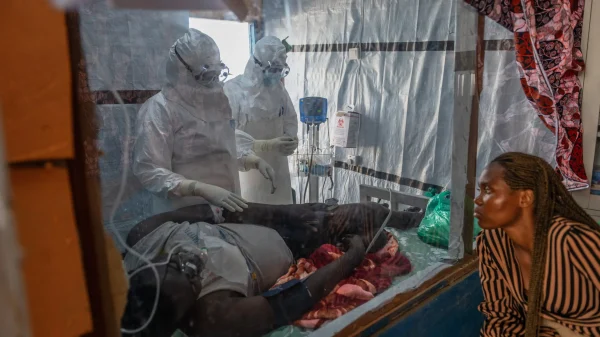


















The Democratic Republic of Congo is facing the fastest-growing Ebola outbreak ever recorded, with health officials battling a rapidly increasing number of infections while confronting major logistical, security, and financial obstacles that threaten containment efforts.
As the outbreak expands into new regions, researchers have also launched a critical clinical study to evaluate two potential treatments for the Bundibugyo strain of the Ebola virus—a rare variant that currently has no approved vaccine or targeted treatment.
Cases Continue to Climb
Health authorities have confirmed nearly 2,000 Ebola infections, including 702 deaths, making the current outbreak one of the deadliest involving the Bundibugyo virus.
Suspected cases have now been identified in two additional provinces, including the major city of Kisangani, raising concerns that the virus may have spread beyond its original epicenter in eastern Congo.
Experts believe the outbreak expanded unnoticed for several weeks because early testing focused on more common Ebola strains, delaying identification of the Bundibugyo virus. Investigators are also still working to determine the source of the outbreak.
Rare Ebola Strain Presents New Challenges
The outbreak is caused by the Bundibugyo strain of Ebola, one of the least common forms of the virus.
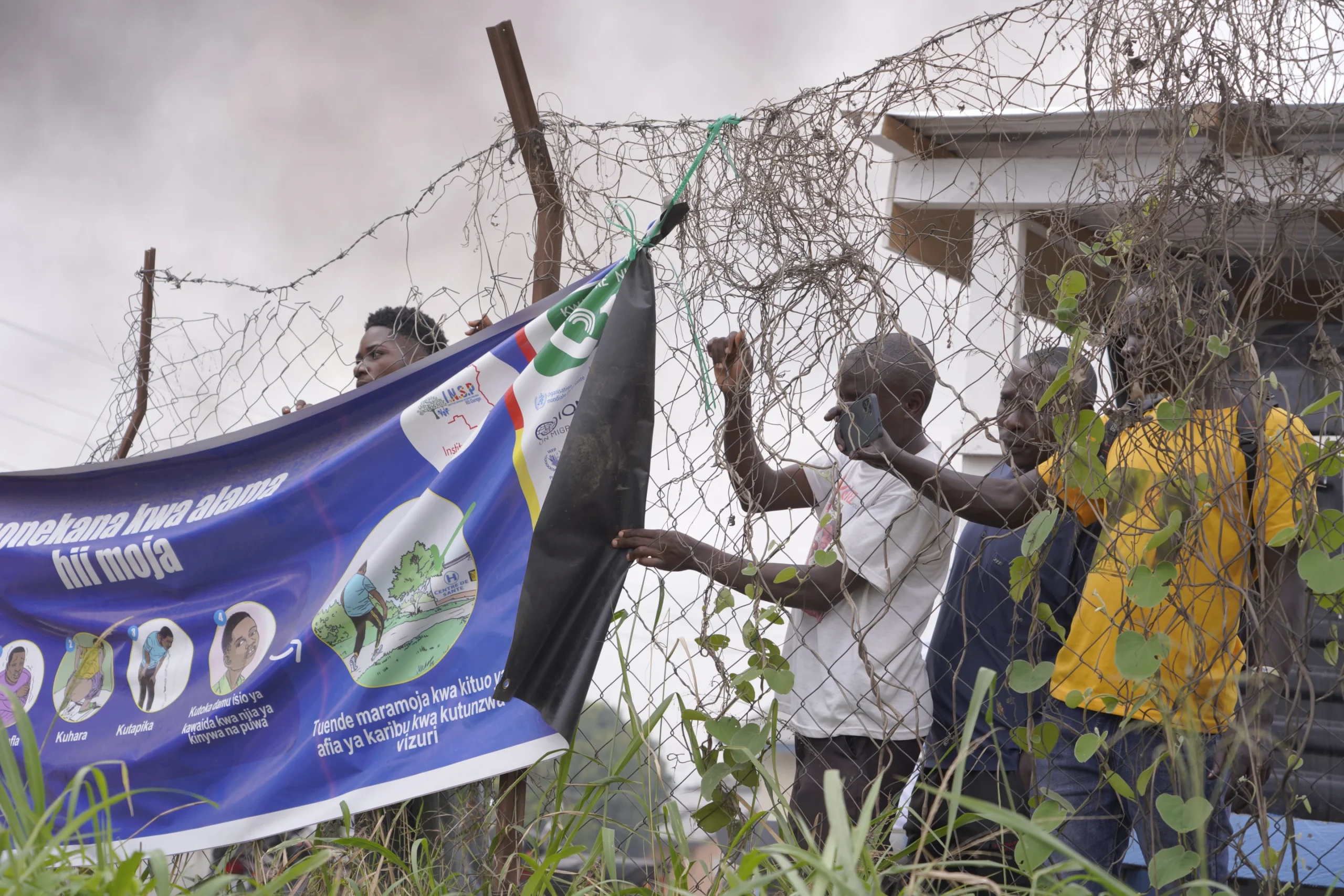
Ebola spreads through direct contact with infected bodily fluids, contaminated objects, or infected animals. The disease can cause severe fever, vomiting, diarrhea, muscle pain, and, in some cases, internal and external bleeding. Without prompt medical care, Ebola can be fatal.
Unlike some other Ebola strains, the Bundibugyo virus currently has no licensed vaccine, making outbreak control heavily dependent on early detection, patient isolation, contact tracing, and community cooperation.
Conflict and Misinformation Hamper Response
The outbreak is unfolding in a region already affected by armed conflict, population displacement, and limited healthcare infrastructure.
Medical teams continue to face significant security risks while working in remote communities where misinformation and distrust have complicated public health campaigns. Some residents remain skeptical about the existence of Ebola, making it more difficult for authorities to identify cases and prevent transmission.
Part of the outbreak has also affected Goma, a key humanitarian hub that has experienced prolonged instability following armed conflict, adding further pressure to response efforts.
Health Worker Strike Raises Fresh Concerns
Containment operations suffered another setback after healthcare workers at an Ebola treatment center in Ituri Province launched a strike over unpaid salaries.
The protest involved epidemiologists, laboratory staff, drivers, case investigators, and burial teams, leading to temporary disruption of services at one of the facilities responding to the outbreak.
Government officials say discussions with the striking workers are ongoing. Public health experts warn that prolonged labor disputes could weaken surveillance, delay treatment, and increase the risk of further spread if similar actions occur at other treatment centers.
Clinical Trial Offers Hope
Despite the operational challenges, researchers have begun enrolling patients in an important clinical trial evaluating two potential therapies for the Bundibugyo virus.

The study is testing remdesivir, an antiviral medication previously approved for COVID-19 treatment, alongside MBP134, an experimental antibody-based therapy designed to target multiple Ebola virus species.
Participants will receive either one of the treatments, both therapies, or the current standard of care to determine whether the medications improve survival rates.
Health experts caution that it may take several months and hundreds of participants before researchers can determine whether either treatment is effective against the Bundibugyo strain.
At present, the clinical trial is operating at one Ebola treatment center in Ituri Province, with plans to expand to additional facilities when conditions allow.
Global Health Community Remains on Alert
International health organizations continue to monitor the outbreak closely as containment teams work to slow transmission and strengthen surveillance across affected regions.
With cases rising, healthcare systems under pressure, and security challenges persisting, officials stress that rapid community engagement, sustained funding, and continued international support will be essential to preventing further spread of one of the most significant Ebola outbreaks in history.