
















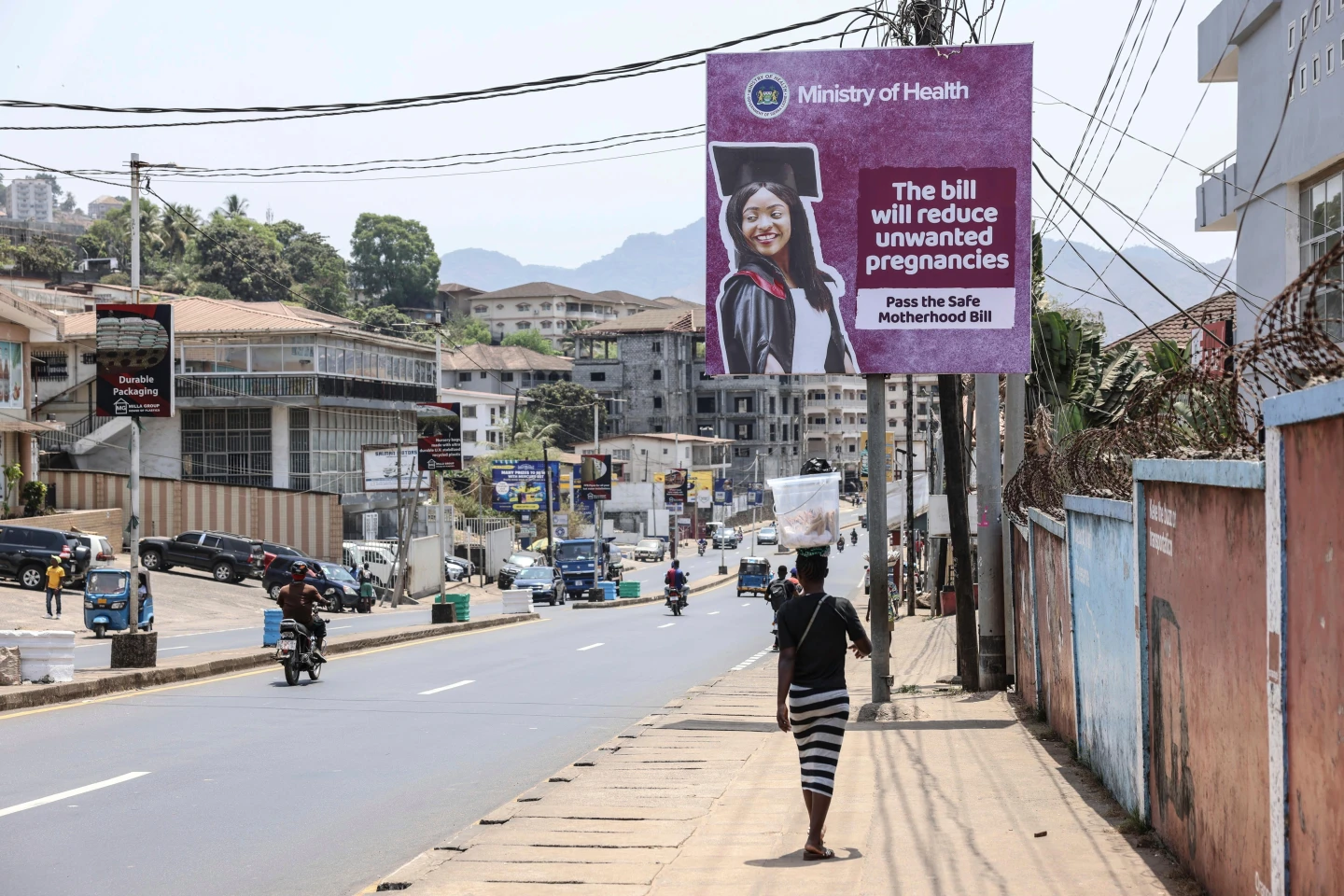
New U.S. restrictions on overseas funding related to abortion and reproductive health are drawing criticism from healthcare experts and rights organizations, who warn the policies could increase unsafe abortions and maternal deaths across Africa.
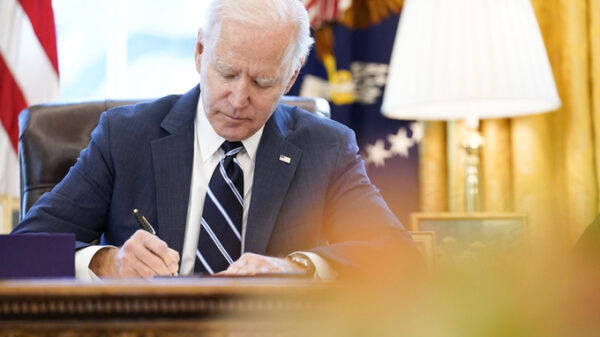
The debate has intensified following expanded measures announced by the Trump administration, which prohibit U.S. funding for international organizations involved in abortion-related services or advocacy. Critics argue the changes could significantly affect reproductive healthcare in regions that depend heavily on foreign assistance.
Expanded Funding Restrictions
The latest policy broadens previous U.S. restrictions by extending funding limits to a wider range of international non-governmental organizations, foreign governments, and U.N. agencies involved in abortion services, gender-related healthcare, or diversity initiatives abroad.
According to experts cited in the report, the policy could influence billions of dollars in international aid and reshape healthcare programs in several developing countries.
Africa Faces Higher Health Risks
Sub-Saharan Africa records some of the world’s highest maternal mortality rates and millions of unsafe abortions every year. Health advocates fear that reduced funding for reproductive healthcare may further limit access to medical services, particularly in rural communities.
Medical organizations say women who cannot access safe healthcare often resort to unsafe procedures, increasing the risk of severe complications and death.
Rights Groups Express Alarm
Representatives from reproductive health organizations say the changing political landscape has made it more difficult to protect women’s healthcare rights.
Some organizations report growing harassment of healthcare providers, increased public pressure, and legal challenges against clinics offering reproductive health services in several African countries. Healthcare workers have also reported online abuse and intimidation while carrying out their duties.
Growing Influence of Conservative Groups
Research cited in the report indicates that financial support from U.S.-based conservative organizations operating in Africa has increased in recent years.
Several advocacy groups have expanded campaigns promoting traditional family values while opposing broader access to abortion services. Supporters argue these efforts reflect their ethical and religious beliefs, while critics say they influence public policy and healthcare access.
Kenya Highlights Ongoing Challenges
Kenya illustrates the complexity of abortion laws across Africa. While the country’s constitution permits abortion under limited medical circumstances, older criminal laws remain in place, creating legal uncertainty for both patients and healthcare providers.
Public hospitals generally provide emergency treatment for complications resulting from unsafe abortions, but access to legal abortion services remains limited in many areas.
Human Impact
Healthcare professionals say delayed access to medical care continues to cost lives.
Community health workers describe cases in which women sought unsafe abortions because of financial hardship, legal uncertainty, or social stigma. They argue that greater access to healthcare, education, and family planning services could help reduce preventable maternal deaths.
Debate Continues
The U.S. State Department has defended the funding restrictions, stating that American assistance continues to support maternal and child health while ensuring taxpayer money aligns with U.S. policy priorities.
Meanwhile, healthcare experts and advocacy organizations continue to debate whether the new restrictions will protect life or unintentionally increase health risks for women in vulnerable communities.