














AMBLER, Alaska — The Arctic landscape of northwest Alaska is undergoing rapid and visible change. Rising temperatures, heavier rainfall, and thawing permafrost are reshaping rivers, wildlife migration routes, and centuries-old Indigenous subsistence traditions. Now, the approval of a major mining access road has intensified debate over the region’s future, placing economic survival and environmental protection on a collision course.
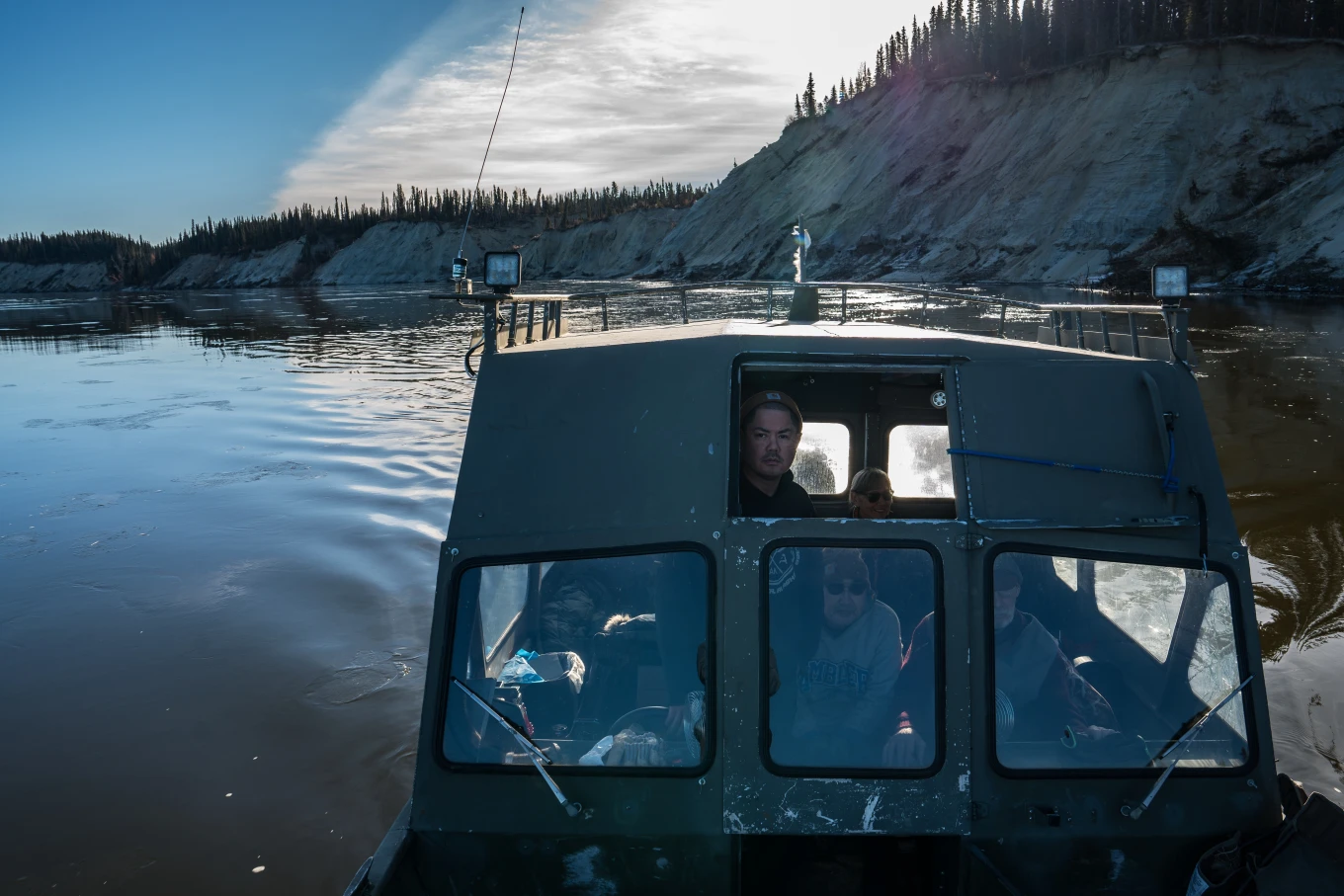
Along the Kobuk River near the village of Ambler, Inupiaq hunter Tristen Pattee scans the riverbanks for caribou during the fall hunting season. Historically, this stretch of river would be crowded with migrating herds by late September. In recent years, however, warming temperatures have delayed snowfall and disrupted migration patterns, leaving hunters waiting longer and often returning home empty-handed.
Just days after Pattee’s unsuccessful hunt in 2025, federal authorities approved the Ambler Access Road, a proposed 211-mile route intended to connect remote mineral deposits in the Brooks Range to Alaska’s road system. The road would cut across vast stretches of wilderness, crossing numerous rivers and streams that serve as critical habitat for salmon and caribou. Supporters argue it could unlock jobs and economic opportunity in a region with some of the highest living costs in the United States. Opponents warn it could permanently damage one of North America’s last intact Arctic ecosystems.
Climate Change Already Taking a Toll
Northwest Alaska is warming at roughly four times the global average. The effects are evident everywhere: eroding riverbanks, record-breaking rainfall, and declining wildlife populations. According to state data, the Western Arctic Caribou Herd has fallen by more than 60% over the past two decades. Scientists link the decline in part to shifting weather patterns that delay the cold conditions needed to trigger southward migration.
Salmon populations are also under strain. Heavier and more frequent late-season rains can wash away eggs, raise water temperatures, and reduce oxygen levels needed for spawning. Researchers have also identified streams in the Brooks Range showing signs of metal contamination linked to thawing permafrost, further threatening fish survival. In response, authorities have closed or restricted several fisheries, directly affecting food security in Indigenous communities.
Economic Pressure and a Divided Community
For residents of Ambler and nearby villages, the cost of living is staggering. Fuel prices can exceed $17 per gallon, making hunting trips — once a cornerstone of survival and cultural identity — increasingly unaffordable. Jobs are scarce, and many young people leave for urban centers in search of work, accelerating population decline.
Pattee, who relies on healthy wildlife both for subsistence and his wilderness guiding business, nevertheless supports the road under strict conditions. He believes mining-related employment could help families remain in their villages and provide income needed to continue traditional practices. Others share this view, seeing resource development as a potential lifeline in an era of climate instability.
Yet many residents strongly disagree. Community advocates fear the road would fragment caribou habitat, disrupt fish passage through thousands of culverts and bridges, and introduce industrial dust into waterways and grazing areas. Concerns also center on naturally occurring asbestos in local geology, which could be spread by heavy truck traffic.
Downstream communities, including the regional hub of Kotzebue, worry about contamination from mining waste and tailings facilities, especially as extreme weather increases the risk of flooding and infrastructure failure. For them, the road represents another layer of risk added to an already fragile environment.
Minerals, Energy, and Indigenous Rights
The mineral deposits targeted by the project are significant, containing copper, zinc, and other metals considered important for modern infrastructure and energy systems. Global demand for such resources is rising as countries transition toward cleaner energy technologies. However, critics note there is no guarantee the extracted materials would be used for renewable energy, and that the United States already sources much of its copper and zinc from allied nations.
Scholars who study Indigenous land rights argue the debate is often framed too narrowly — as a choice between fighting climate change and protecting the land. They contend this ignores alternatives such as recycling existing materials, reducing consumption, and prioritizing Indigenous decision-making over ancestral territories.
An Uncertain Future
Ambler’s leadership reflects the community’s internal conflict. While acknowledging the urgent need for jobs, local officials question whether promised economic benefits will materialize for residents, or whether outside workers and corporations will reap most of the rewards. Many also worry that climate-driven damage to fish and caribou, combined with industrial development, could create an irreversible downward spiral.
Longtime residents and observers say the land has already changed dramatically over the past few decades. Thawing permafrost tilts buildings and grave markers, rivers shift course, and once-reliable seasonal rhythms no longer hold. For them, the proposed road feels like a final test of how much more the Arctic can absorb.
As Ambler’s population continues to shrink and families weigh whether they can afford to stay, the decision over the mining road has become more than an infrastructure project. It is a defining moment that will shape the cultural, economic, and environmental future of Alaska’s Arctic — and raise broader questions about how the world balances resource demand with the protection of irreplaceable landscapes and Indigenous ways of life.