















Japan is moving closer to restarting the world’s largest nuclear power station, signaling a pivotal moment in its energy policy nearly 15 years after the Fukushima disaster triggered a nationwide shutdown of reactors.
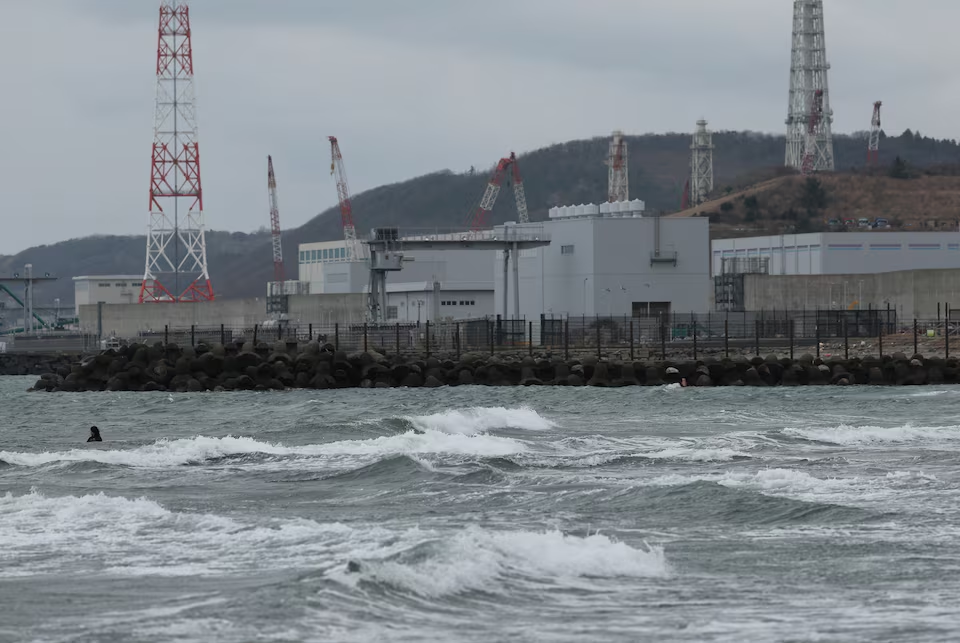
On Monday, the Niigata prefectural assembly approved a vote of confidence in Governor Hideyo Hanazumi, effectively removing the final political obstacle to restarting the Kashiwazaki-Kariwa nuclear power plant. The facility, operated by Tokyo Electric Power Company (TEPCO), is located along the Sea of Japan about 220 kilometers northwest of Tokyo.
A Landmark Decision in Japan’s Nuclear Comeback
The decision represents a significant step in Japan’s gradual return to nuclear power following the 2011 earthquake and tsunami that led to meltdowns at the Fukushima Daiichi plant. In the aftermath, all of Japan’s nuclear reactors were taken offline, forcing the country to rely heavily on imported fossil fuels.
Since then, 14 of the 33 reactors deemed operable have resumed operations under stricter safety regulations. Kashiwazaki-Kariwa, however, carries particular weight. With a total generating capacity of 8.2 gigawatts, it is the largest nuclear plant in the world and would be the first reactor restart overseen by TEPCO since Fukushima.
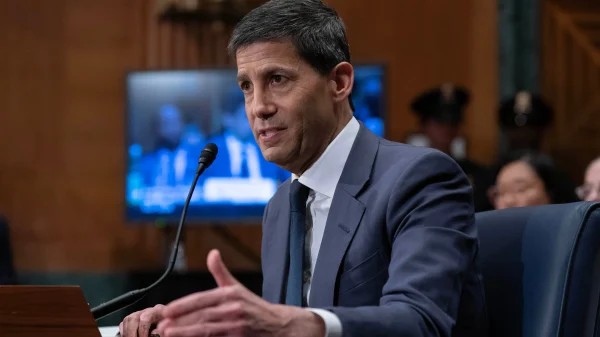
Governor Hanazumi, who endorsed the restart last month, described the assembly vote as an important milestone while stressing that safety oversight must remain continuous. “There is no endpoint when it comes to ensuring the safety of Niigata’s residents,” he said following the vote.
Public Opposition and Lingering Fears
Despite political approval, the restart remains deeply controversial among local residents. The assembly session highlighted sharp divisions within the community, with opponents arguing that the decision does not reflect public sentiment.
Around 300 protesters gathered outside the assembly building, holding banners opposing the restart and calling for solidarity with Fukushima-affected communities. Many fear that another accident, however unlikely, would have devastating consequences for the region.
Public opinion surveys reinforce that unease. A prefectural poll released in October found that 60% of respondents believed conditions were not yet right for restarting the plant, while nearly 70% expressed concerns about TEPCO’s ability to operate it safely.
Among the protesters were former Fukushima evacuees who relocated to Niigata after the 2011 disaster. Some say they continue to struggle with trauma from their experience and argue that the risks of nuclear power cannot be ignored, regardless of economic benefits.
Economic Pressures and Energy Security
Supporters of the restart argue that Japan faces mounting energy challenges. The country currently depends on imported fossil fuels for roughly 60% to 70% of its electricity, leaving it exposed to price volatility and supply risks. Last year, Japan spent more than 10 trillion yen on imported liquefied natural gas and coal.
Government estimates suggest that restarting just one reactor at Kashiwazaki-Kariwa could increase electricity supply to the Tokyo metropolitan area by about 2%. TEPCO is reportedly considering reactivating the first of the plant’s seven reactors as early as January, with additional units planned later in the decade.
Prime Minister Sanae Takaichi, who took office earlier this year, has backed nuclear restarts as part of a broader strategy to strengthen energy security and curb rising fuel import costs. Japan also expects electricity demand to grow in the coming years due to the expansion of data centers and artificial intelligence infrastructure.
Balancing Climate Goals and Public Trust
Japan has pledged to double nuclear power’s share of its energy mix to 20% by 2040 as part of its decarbonization strategy. Energy analysts say public acceptance of the Kashiwazaki-Kariwa restart will be a critical test of whether the country can meet those targets.
TEPCO has sought to ease local concerns by promising to invest 100 billion yen in Niigata prefecture over the next decade. The company says it is committed to ensuring that an accident like Fukushima is never repeated, though it has not confirmed a precise timeline for restarting operations.
For critics, however, the move revives painful memories and unresolved questions about accountability and risk. As Japan edges closer to reviving its nuclear fleet, the debate surrounding Kashiwazaki-Kariwa underscores the enduring tension between energy security, economic necessity, and public confidence.