






















Tens of thousands of Hindu devotees gathered at Kathmandu’s iconic Pashupatinath Temple on Sunday to celebrate the annual Shivaratri festival, a major event honoring the god Shiva. The festival saw participants openly smoking cannabis, a practice historically linked to Shiva worship.
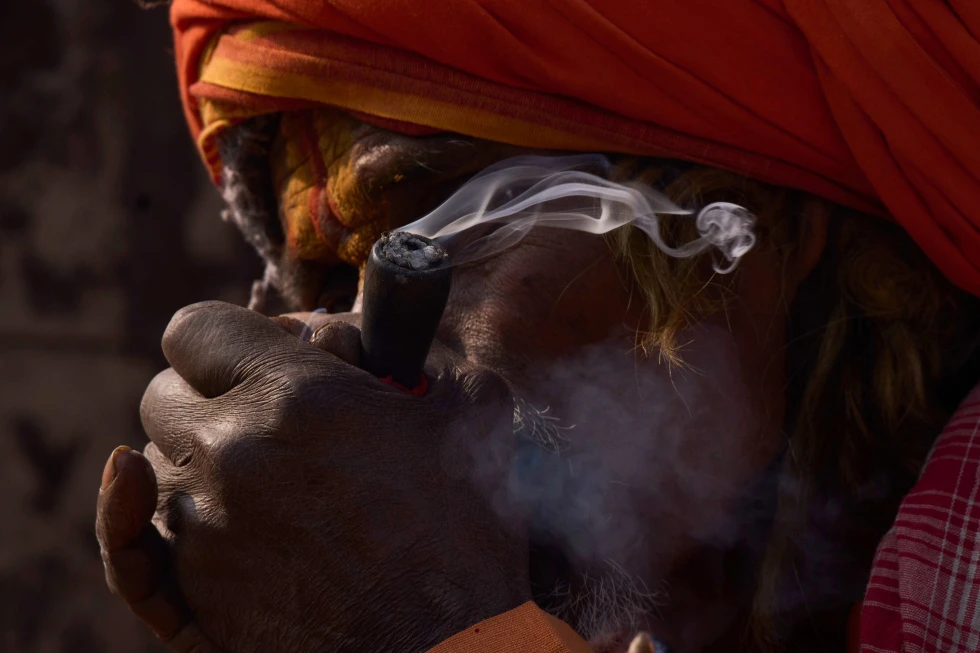
Despite Nepal’s general prohibition on marijuana, exceptions are traditionally allowed during Shivaratri. Devotees and holy men, known as sadhus, used the sacred day to smoke cannabis while performing prayers, dancing, and chanting religious songs. Many participants also traveled from neighboring India to join the festivities.
Along the forested Bankali hills across the Bagmati River, ash-smeared sadhus and other attendees were seen inhaling cannabis smoke, embracing a centuries-old ritual associated with devotion to Shiva.
Historical Context and Legal Status
Marijuana in Nepal is otherwise illegal. Casual use can result in up to a month of imprisonment, while trafficking carries penalties of up to ten years. The Himalayan nation gained a reputation in the 1960s as a haven for marijuana and other narcotics, attracting international travelers. Cannabis shops and tea houses were once widespread until the substance was officially banned in 1976.
Efforts to decriminalize cannabis and permit its regulated farming have surfaced in recent years, supported by campaigners and lawmakers, but legislative progress remains limited.
Shivaratri continues to draw large crowds each year, blending traditional devotion with cultural practices that include the symbolic use of cannabis, reaffirming its significance in Nepalese religious life.