


















The shutdown of two prominent Caribbean newspapers has raised alarms among journalists and media experts who warn that the decline of independent news outlets could weaken democratic accountability in the region.
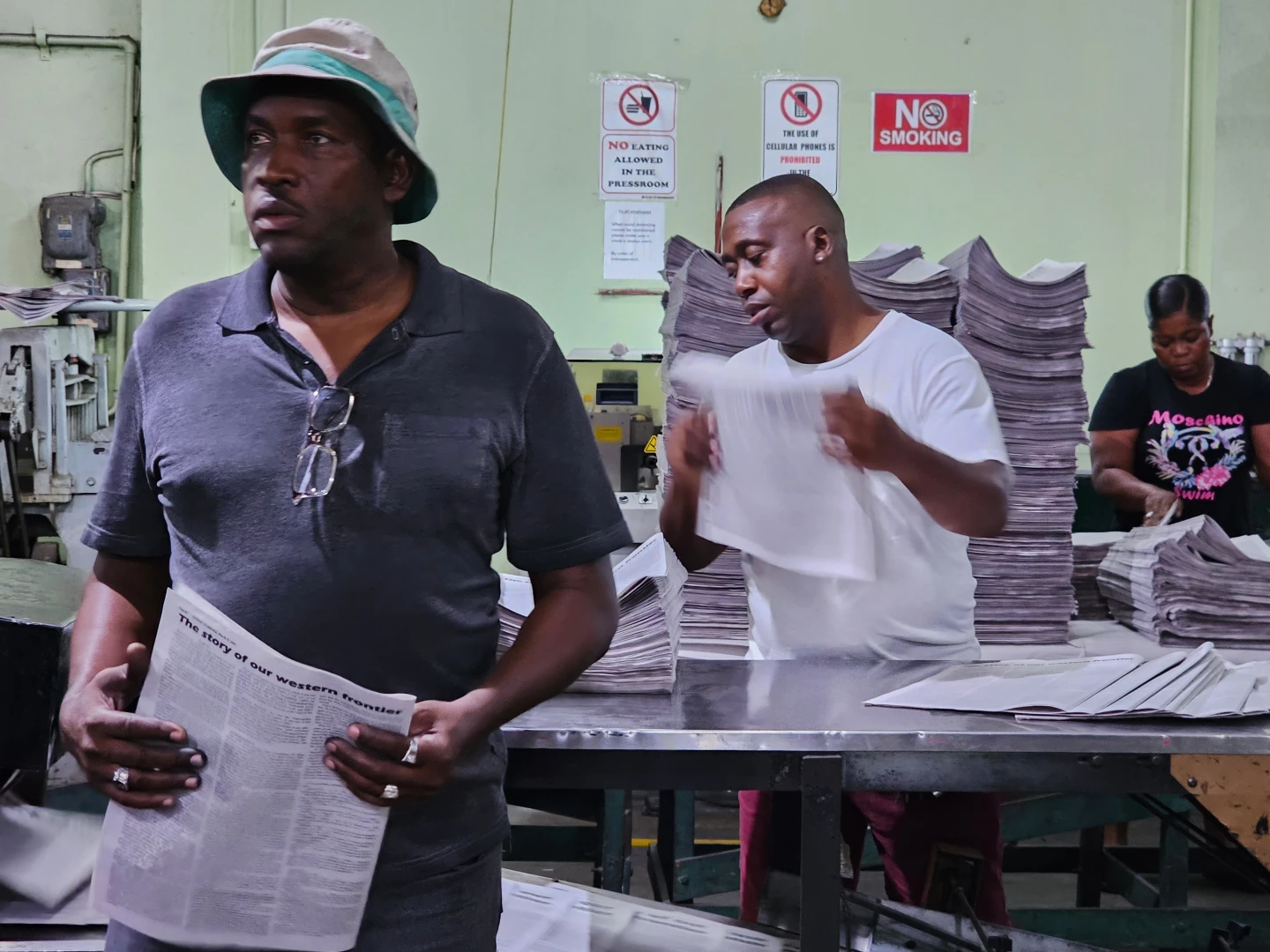
In recent months, two long-standing publications — Stabroek News in Guyana and Newsday in Trinidad and Tobago — have ceased operations as changing media consumption habits push readers toward digital platforms and social media.
Changing News Habits
For many younger readers, news now arrives through instant updates on platforms like Google and social media networks rather than through traditional newspapers.
Carlon Augustus, a 32-year-old from Trinidad and Tobago, says he rarely waits for printed news anymore.
“Everything happens in real time online,” he said, explaining that social media allows people to follow developments instantly instead of waiting for the next day’s newspaper.
Media analysts say this shift in audience behavior has significantly affected advertising revenue and circulation numbers for print outlets throughout the Caribbean.
End of Two Influential Publications
Stabroek News published its final edition this month, closing a chapter that began in 1986 when the newspaper was launched during a time when Guyana was emerging from decades of restricted political freedoms.
Over the years, the publication built a reputation for independent reporting and played an important role during the country’s transition toward democratic elections in the early 1990s.
Similarly, Newsday — founded in 1993 — ended both its print and online editions earlier this year. The paper became widely known for covering everyday issues affecting citizens, particularly in smaller communities.
Former editor-in-chief Judy Raymond described the closure as a serious loss for the country’s democratic landscape.
According to her, independent journalism is especially vital in an era where misinformation can spread quickly online.
Impact on Media Diversity
Media observers say the disappearance of independently owned newspapers narrows the range of voices available in the public sphere.
Kiran Maharaj, a media advocate in the region, noted that independent outlets historically played an important role in holding governments and powerful institutions accountable.
With fewer such platforms operating, she warned that the diversity of viewpoints available to the public may diminish.
Financial Pressures on Traditional Media
Print media across the Caribbean once enjoyed strong financial support and cultural significance. During the late 20th century, newspapers were widely seen as a symbol of civic engagement and social status.

However, digital platforms have gradually captured the bulk of advertising revenue. According to industry figures, print advertising for Newsday declined dramatically over the past decade, contributing to the decision to close.
Grant Taylor, managing director of the company that published Newsday, described the situation as a “perfect storm” of falling advertising income, shifting readership patterns, and the financial challenges facing the print industry.
Concerns for Democratic Accountability
For many readers, the closures represent more than just the loss of familiar newspapers.
Anand Persaud said the publication maintained its editorial independence throughout its history and chose to close rather than compromise that principle.
Observers say the decline of traditional news outlets comes at a critical time, especially in countries where political corruption and resource management issues remain key public concerns.
Media experts warn that without strong independent journalism, citizens may find it harder to access reliable information and hold leaders accountable.