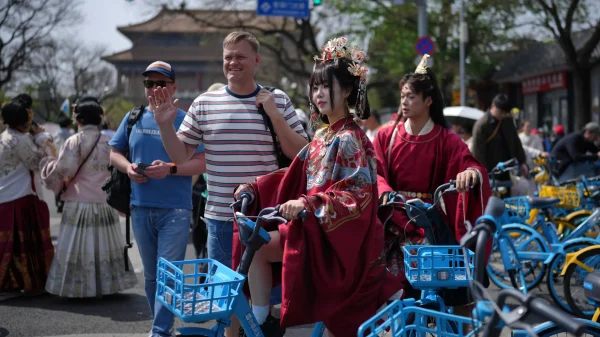


















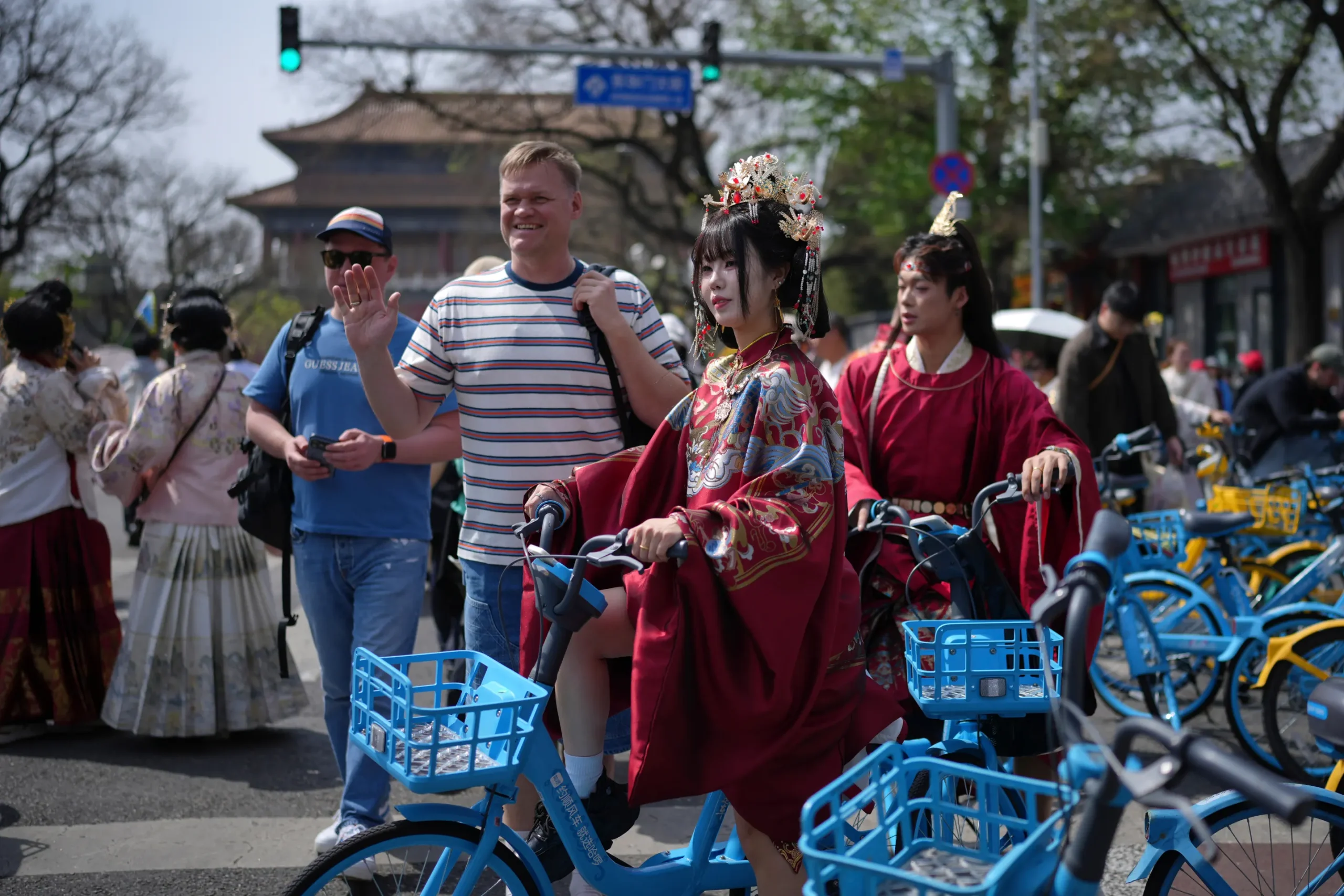
A viral internet trend known as “becoming Chinese” is capturing global attention, signaling a new phase in China’s cultural influence as everyday habits and entertainment gain popularity far beyond its borders.
Across platforms like TikTok, young people are sharing videos showcasing their embrace of Chinese lifestyle elements—from drinking hot water with goji berries and enjoying dumplings to adopting indoor slipper culture and praising China’s modern cities. The trend, often dubbed “Chinamaxxing,” has generated millions of views worldwide.
Organic Soft Power Surge
The rise of the trend marks a notable shift in how China projects influence globally. For years, Beijing has invested heavily in promoting its culture abroad under the leadership of Xi Jinping, urging officials to strengthen the country’s soft power.
However, analysts say the current wave of interest is largely organic—driven by global audiences rather than government campaigns. Chinese Ambassador to the United States Xie Feng recently acknowledged the trend, encouraging more foreigners to visit and experience modern China firsthand.
Pop Culture and Technology Drive Appeal
The growing fascination is part of a broader surge in Chinese cultural exports. Films like Ne Zha 2 and games such as Black Myth: Wukong have achieved international success, while consumer products—from collectible toys to fashion—are gaining global recognition.
China’s tech ecosystem has also played a crucial role. Platforms developed by ByteDance have helped amplify trends, while Chinese digital tools are increasingly competing with Western counterparts in usability and innovation.
Experts say this blend of entertainment, technology, and everyday lifestyle is making Chinese culture more accessible and relatable worldwide.
Mixed Reactions Among Communities
Despite its popularity, the trend has sparked debate, particularly among Chinese diaspora communities. Some argue that the sudden embrace of Chinese culture contrasts with past experiences of discrimination.
During the COVID-19 pandemic, many Asians reported increased racism in Western countries. Critics say that newfound admiration does not erase those experiences.
Others see the trend as an opportunity for cultural exchange and improved understanding. Supporters argue that increased visibility can help reduce stereotypes over time.
Built on Economic and Cultural Strength
China’s rising cultural influence is closely tied to its broader global presence. The country’s economic strength, manufacturing dominance, and growing innovation in industries such as green energy and digital technology have enhanced its global image.
Initiatives like the Belt and Road Initiative and institutions such as Confucius Institutes have aimed to expand its reach, though they have faced criticism in parts of the world.
A New Model of Influence
Unlike traditional state-led campaigns, the “becoming Chinese” trend illustrates how cultural influence in the digital era can spread organically through social media and user-generated content.
Analysts suggest that this grassroots adoption may be more effective than official messaging in shaping global perceptions.
As the trend continues to grow, it underscores a broader shift: cultural power is no longer dictated solely by governments, but increasingly shaped by everyday users and viral moments online.