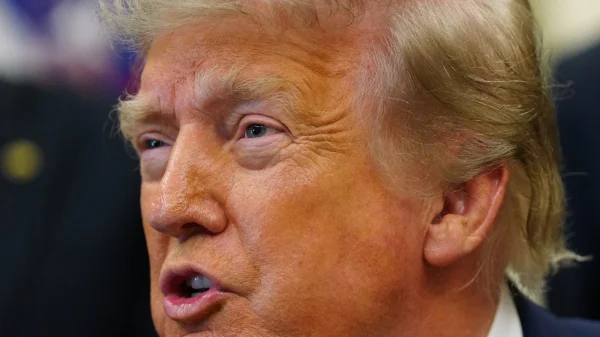












A newly announced U.S. naval blockade targeting Iranian ports is intensifying geopolitical tensions and raising concerns over global trade disruptions, legal challenges, and surging energy prices. The move, ordered by President Donald Trump following failed ceasefire negotiations, is widely seen as a high-stakes strategy to pressure Iran into reopening the Strait of Hormuz — one of the world’s most critical energy corridors.
Strategic Waterway Under Pressure
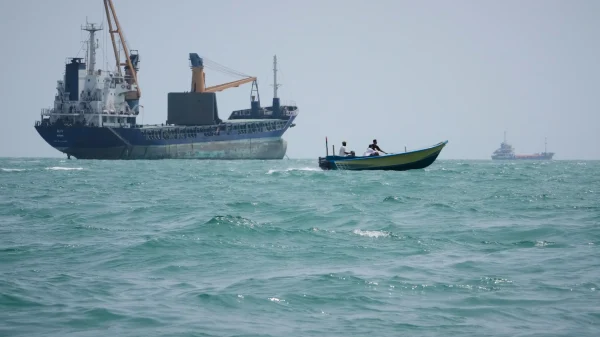
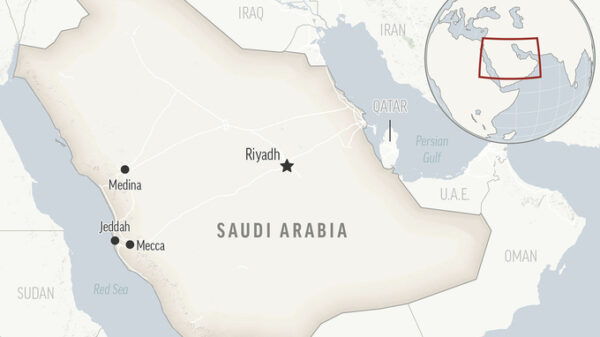
The Strait of Hormuz serves as a vital artery for global النفط shipments, carrying nearly one-fifth of the world’s traded oil during peacetime. In recent days, Iran has significantly restricted tanker movement through the strait, allowing only select vessels to pass while imposing steep transit fees on others. The U.S. blockade aims to counter this by limiting access to Iranian ports, but the practical implementation remains unclear.
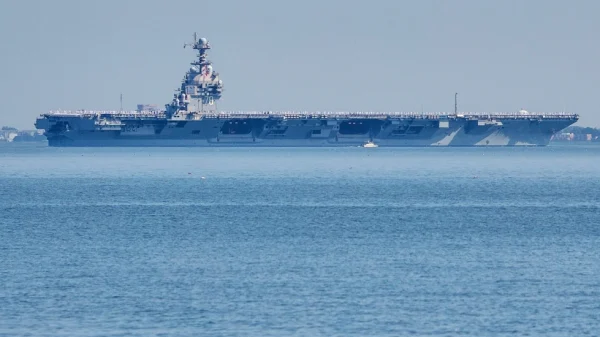
Military officials have confirmed a U.S. naval presence in the region, though details of operational strategy are limited. Enforcing such a blockade would require sustained deployment of warships, surveillance systems, and clear legal directives — all while managing one of the busiest maritime routes in the world.
Enforcement Challenges and Legal Questions
Experts warn that maintaining an effective blockade in such a high-traffic zone will be complex. The sheer volume of commercial vessels passing through the narrow strait poses logistical hurdles, and early enforcement efforts will likely determine the operation’s success.
International law also plays a critical role. A blockade must be applied impartially and allow humanitarian aid to pass. Any failure to comply with these standards could invite legal scrutiny and diplomatic backlash. Analysts emphasize that enforcement methods — including how neutral vessels are treated — will ultimately determine the legitimacy of the blockade.
Limited Impact as a Standalone Strategy
While naval blockades can strain an adversary’s economy, they rarely deliver decisive outcomes on their own. Iran maintains trade connections beyond the Gulf region, including routes through Central Asia and the Caspian Sea. As a result, the blockade may increase economic pressure but is unlikely to fully isolate the country.
Moreover, there are growing concerns about potential retaliation. Iran could respond with asymmetric tactics such as deploying naval mines, fast-attack boats, or missile strikes targeting commercial shipping. Such actions could escalate the conflict and further destabilize global markets.
Oil Prices and Economic Ripple Effects
Energy markets have already reacted sharply to the unfolding crisis. Crude oil prices have surged past $100 per barrel, a significant increase from pre-conflict levels. Analysts warn that prolonged disruption in the Strait of Hormuz could drive prices even higher, affecting fuel costs worldwide.
Consumers and businesses are beginning to feel the strain. In many regions, rising fuel prices are contributing to inflationary pressures, increasing transportation costs, and reducing purchasing power.
Supply Chains at Risk
Beyond energy, the blockade threatens broader supply chains. The strait is a key route for transporting essential goods, including food, fertilizer, and industrial materials. Any prolonged disruption could lead to shortages and price spikes, particularly in countries heavily reliant on imports from the Gulf.
Fertilizer shipments are of particular concern, as nearly one-third of global supply passes through the region. Disruptions could impact agricultural output worldwide, potentially worsening food insecurity in vulnerable regions.
Industries dependent on raw materials such as chemicals and metals are also expected to face delays and higher costs, compounding existing supply chain challenges stemming from past global crises.
Outlook: Prolonged Uncertainty Ahead
Analysts caution that the situation may not resolve quickly. Even a short-term blockade could have lasting economic consequences, as each disruption adds pressure to already fragile global systems. The combination of geopolitical conflict, trade restrictions, and market volatility suggests that higher prices and economic uncertainty may persist well beyond the immediate crisis.