




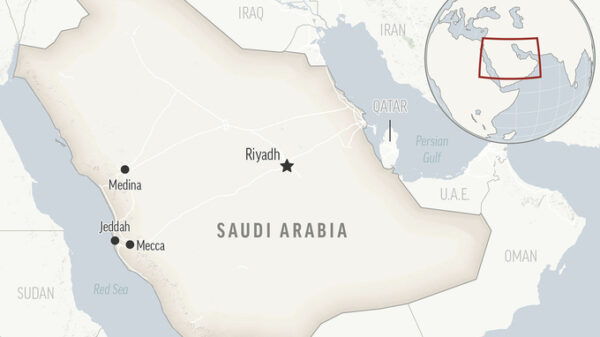














Dubai: Explosions were reported over Dubai early Tuesday as the United Arab Emirates temporarily suspended its airspace in response to incoming Iranian missiles and drones. Authorities confirmed that air traffic resumed shortly after the situation stabilized.
The emergency measures came amid a sharp escalation in the Middle East conflict, with Israel launching a new wave of coordinated strikes targeting both Tehran and Hezbollah-linked positions in Beirut.
UAE Responds to Aerial Threats
According to officials, the UAE military activated its air defense systems after detecting multiple aerial threats from Iran. Residents in Dubai reported hearing loud blasts as interception efforts took place overhead.
A drone strike also triggered a fire at an oil storage facility in Fujairah, a strategic energy hub along the Gulf of Oman. Authorities confirmed no casualties in the incident. A day earlier, a similar attack caused a blaze near Dubai International Airport, briefly disrupting operations at one of the world’s busiest travel hubs.
Israel Intensifies Military Campaign
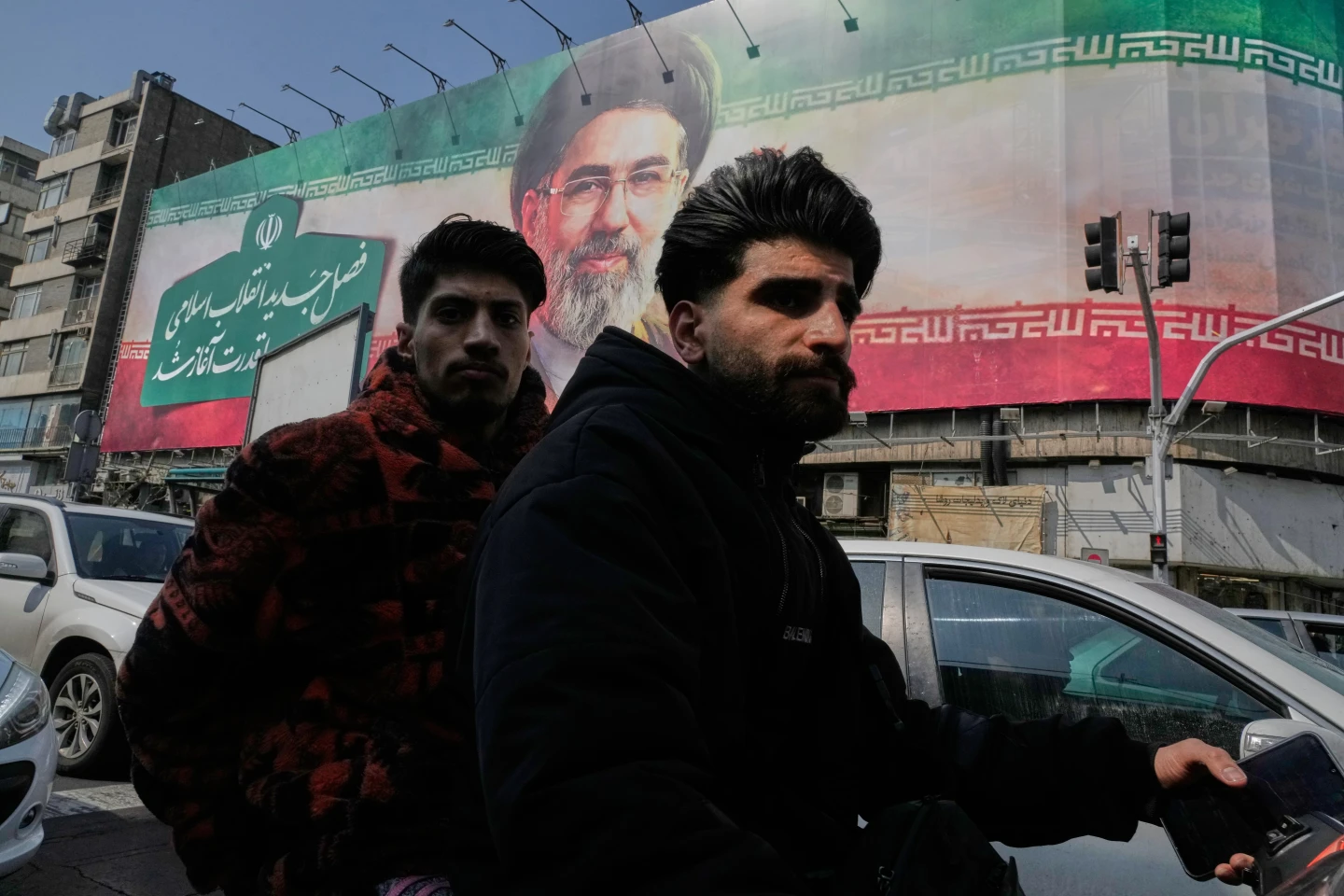
The Israeli military announced it had initiated a “large-scale offensive” targeting key infrastructure in Tehran while simultaneously increasing strikes against Hezbollah forces in Lebanon. The escalation follows weeks of hostilities that began after joint U.S.-Israeli strikes on Iran in late February.
In Lebanon, the ongoing bombardment has displaced over one million people, according to government estimates, with hundreds reported killed. Israeli ground forces have also advanced into southern Lebanon, raising concerns about a broader invasion.
Missiles Strike Near Religious Sites in Jerusalem
In Jerusalem, debris from intercepted Iranian missiles landed in sensitive areas, including near the Western Wall and within the Al-Aqsa Mosque compound. Shrapnel also struck buildings close to the Church of the Holy Sepulcher. No injuries were immediately reported, but the incident heightened fears over the widening scope of the conflict.
Strait of Hormuz Crisis Fuels Oil Price Surge
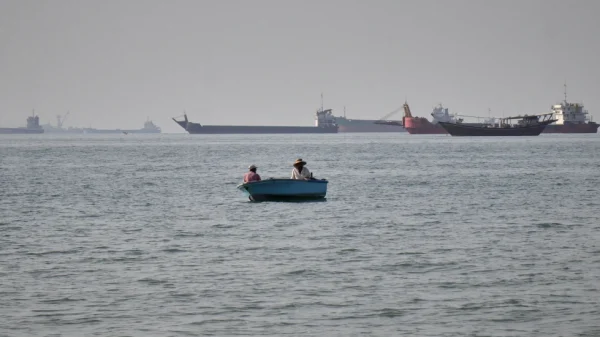
Tensions have severely disrupted shipping through the Strait of Hormuz, a critical النفط transit route responsible for roughly 20% of global oil supply. Iranian attacks on commercial vessels have slowed maritime traffic, triggering a sharp rise in energy prices.
Benchmark crude prices remain above $100 per barrel, reflecting ongoing uncertainty in global markets.
US Pushes for Naval Coalition
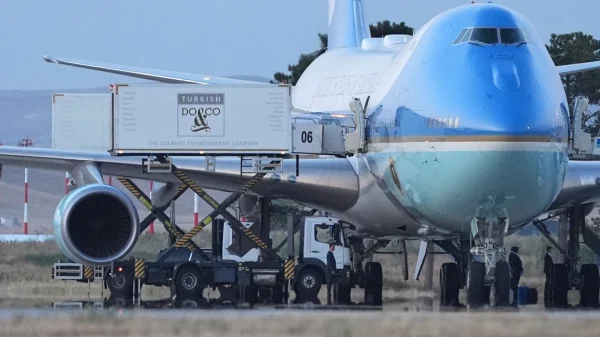
Donald Trump called on several major economies to deploy naval forces to secure the Strait of Hormuz and ensure the safe passage of oil shipments. However, no immediate commitments have been confirmed.
Meanwhile, international stakeholders continue to weigh responses. European leaders are discussing expanding maritime security operations, while countries such as Japan and Australia have indicated no current plans to participate.
Rising Casualties and Regional Impact
The conflict has already resulted in significant casualties. Iranian authorities report over 1,300 deaths, while Israeli officials say at least a dozen civilians have been killed by missile attacks. U.S. military losses have also been reported in the region.
With both sides showing no signs of de-escalation, fears are growing that the conflict could further destabilize the region and deepen its impact on the global economy.