




















Kyiv: Ukraine has expanded its long-range drone campaign against Russian energy infrastructure, with fresh attacks triggering fires at key oil facilities while Russia publicly acknowledged growing fuel supply challenges for the first time since the conflict began.
The latest strikes come as Kyiv continues targeting refineries, fuel depots, and logistics hubs in an effort to disrupt Russia’s military supply chain and weaken its ability to sustain operations on the battlefield.
Major Oil Refinery Damaged in Southern Russia
Russian officials confirmed that a fire broke out at a major oil refinery in the Krasnodar region after debris from intercepted Ukrainian drones fell on the facility.
Local authorities reported one fatality and another injury during the incident. The refinery is considered one of southern Russia’s important processing plants, producing petroleum products for both domestic consumption and export through Black Sea ports.
Ukraine also claimed responsibility for another overnight strike targeting an oil refinery in Russia’s Yaroslavl region, although Russian officials had not immediately confirmed damage to that facility.
Kyiv Expands Long-Range Strike Strategy
Ukrainian President Volodymyr Zelenskyy said the attacks are part of a broader campaign to reduce Russia’s capacity to finance and sustain its military operations.
According to Ukrainian officials, striking fuel production and distribution facilities limits resources available to the Russian military while increasing economic pressure inside Russia.
The campaign has increasingly focused on critical infrastructure located hundreds of kilometers from the front lines.
Putin Acknowledges Fuel Supply Problems
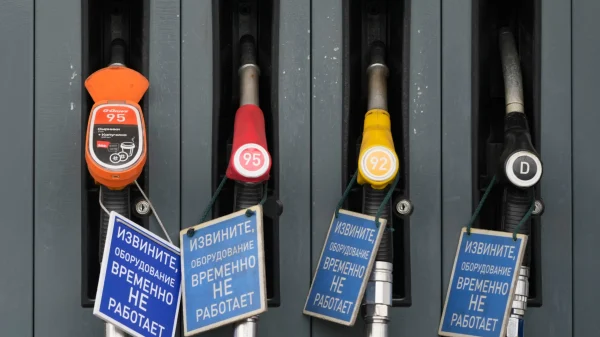
During a meeting with senior officials, Russian President Vladimir Putin admitted the country is experiencing what he described as a “temporary” fuel deficit.
He said authorities are working to restore damaged energy infrastructure, increase domestic fuel production, and expand fuel imports where necessary to stabilize supplies.
Putin also announced plans to strengthen air defenses around strategic industrial facilities following repeated drone attacks on energy sites across Russia.
Despite the disruptions, he maintained that the strikes have not altered Russia’s military operations.
Fuel Rationing Expands Across Russia
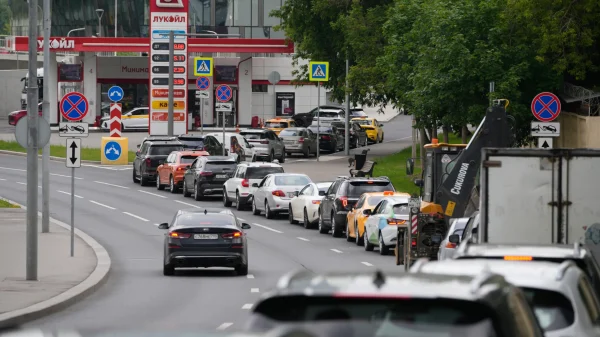
Reports indicate that fuel shortages have spread across several Russian regions, prompting local governments and state-operated fuel stations to introduce purchase limits.
Authorities are also reviewing export policies to ensure domestic fuel supplies remain sufficient while damaged refineries undergo repairs.
Crimea has faced particular supply challenges in recent weeks following attacks on transportation routes delivering fuel to the peninsula.

Air Attacks Continue on Both Sides
The exchange of aerial attacks continued overnight as both countries reported new drone and missile operations.
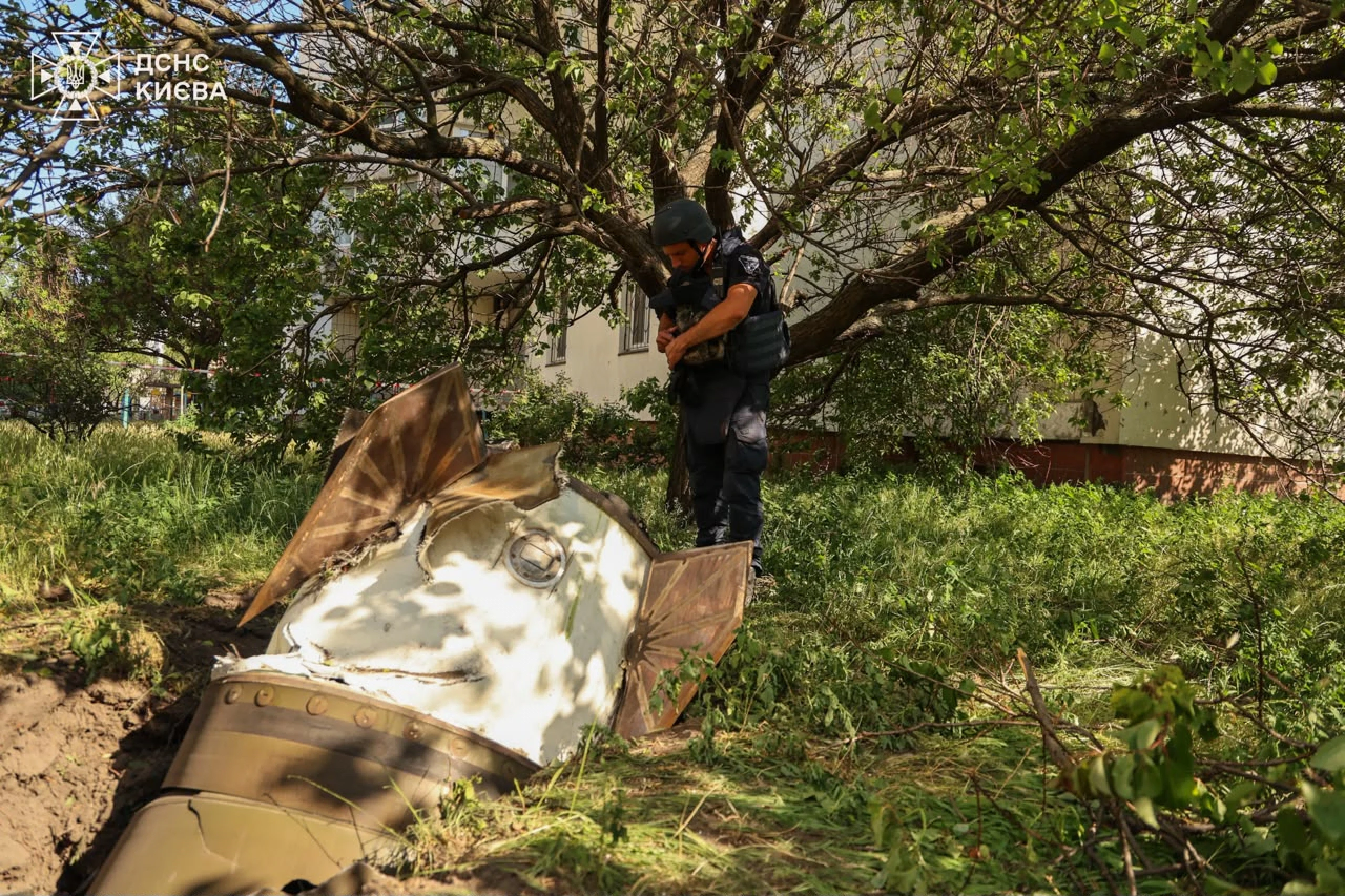
Ukraine said Russian forces launched more than 140 long-range drones and several missiles targeting multiple regions. Ukrainian air defense systems claimed to have intercepted the majority of the incoming weapons.
Meanwhile, Russia’s Defense Ministry reported shooting down more than 200 Ukrainian drones over several regions, including occupied Crimea and areas surrounding the Black and Azov Seas.
Civilian Casualties Reported
Russian aerial strikes also caused casualties inside Ukraine.
Regional authorities in Zaporizhzhia said an aerial bomb attack killed two civilians and injured at least 16 others, including children.
On the Russian side, officials in the Belgorod region reported one death and another injury following Ukrainian drone strikes near the border.
Energy Infrastructure Emerges as Key Battlefield
Energy facilities have become increasingly important targets as both sides seek to weaken each other’s operational capabilities.
Ukraine argues that attacks on refineries and fuel depots reduce the resources available for Russia’s military campaign, while Moscow continues large-scale missile and drone strikes targeting Ukrainian infrastructure.
With the conflict entering its fifth year, both countries are relying heavily on long-range drone technology, making energy networks a central focus of the ongoing war.