



















Moscow, July 1, 2026 — A sustained wave of Ukrainian drone attacks on Russia’s oil infrastructure has sparked widespread fuel shortages across the country, disrupting fuel supplies, forcing rationing measures, and exposing vulnerabilities in one of the world’s largest energy-producing nations.
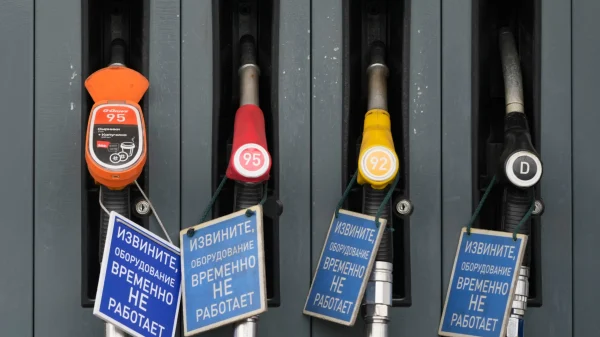
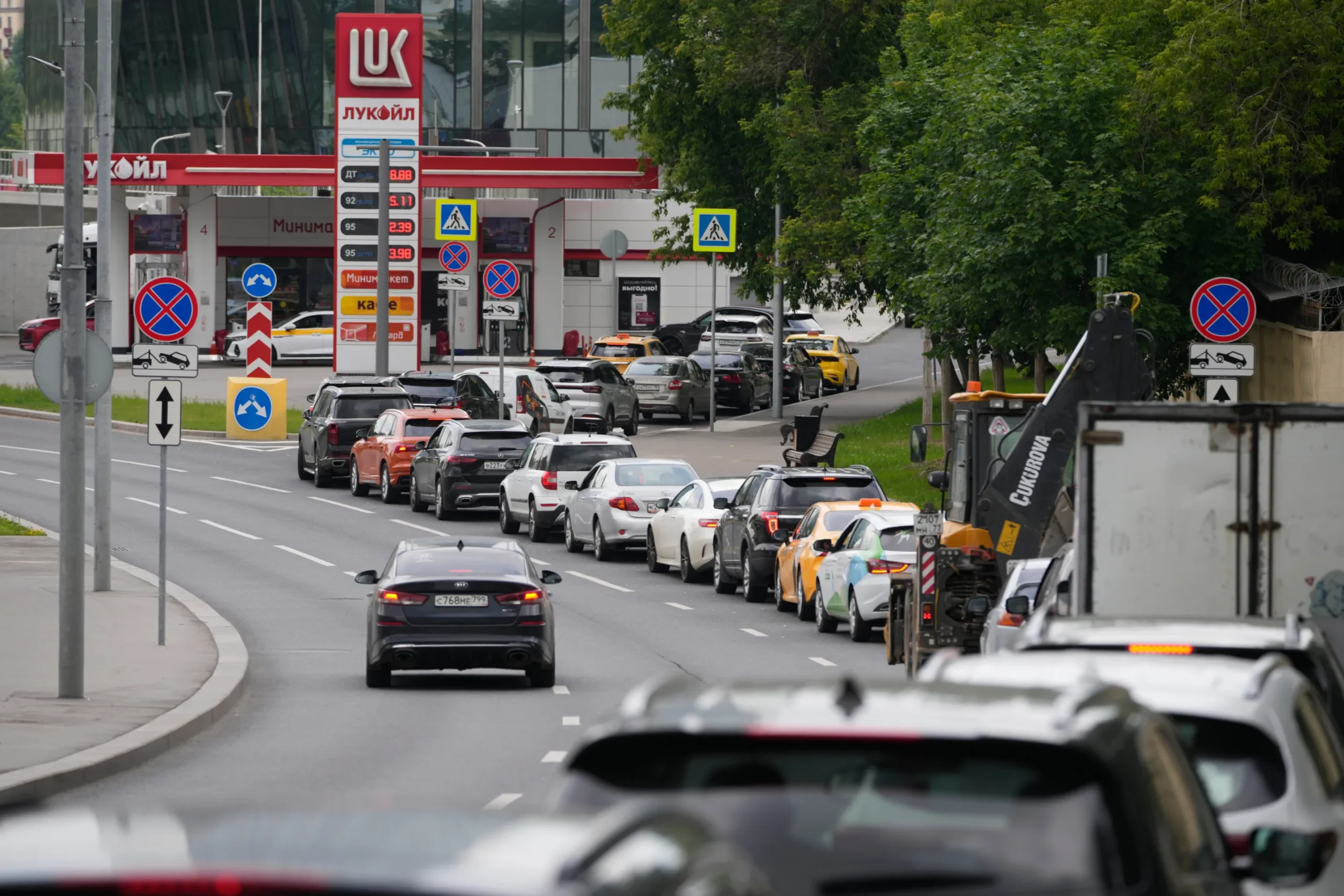
Long lines at gas stations have become increasingly common in several Russian regions as motorists struggle to purchase fuel. Authorities have introduced purchase limits in many areas, while residents report rising prices and lengthy waits at service stations.
The shortages represent one of the most visible domestic consequences of the ongoing Russia-Ukraine war, now in its fifth year, affecting everyday life for millions of Russians.
Putin Acknowledges Fuel Supply Problems
Russian President Vladimir Putin has publicly admitted that fuel distribution challenges remain, saying motorists and businesses continue to experience difficulties accessing certain grades of gasoline. While describing the situation as temporary and manageable, he acknowledged that queues at filling stations persist.
Despite those assurances, many drivers remain concerned, with reports indicating that fuel availability varies significantly across different parts of the country.
Repeated Drone Strikes Disrupt Oil Processing
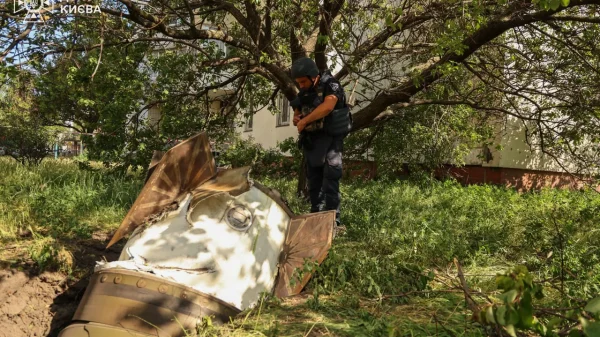
Since late March, Ukraine has significantly expanded its long-range drone campaign targeting Russia’s energy infrastructure. Multiple oil refineries, fuel storage depots, terminals, and logistics facilities have reportedly been damaged, with several locations struck more than once.
Energy analysts estimate that Russia’s refining capacity has been severely reduced, leading to a sharp decline in domestic fuel production. Industry experts report that gasoline output has fallen well below normal demand, placing additional pressure on fuel distribution networks.
The reduction comes at a critical time, as agricultural activity during the summer harvesting season has increased nationwide fuel consumption.
Fuel Rationing Expands Across Russia
Authorities in numerous Russian regions have introduced restrictions on fuel purchases to stabilize supplies.
Some fuel stations have imposed strict volume limits per vehicle, while others have temporarily suspended sales of certain fuel grades. Officials have urged residents to avoid panic buying, arguing that stockpiles remain sufficient despite localized shortages.
To support domestic demand, Russia has tightened restrictions on gasoline exports and is reportedly considering additional measures affecting diesel shipments. Officials have also indicated that discussions are underway with foreign partners regarding potential fuel imports if necessary.
Shortages Reach Regions Far From the Front
Fuel supply disruptions are no longer limited to areas near damaged refineries.
Several Siberian regions have reported shortages despite having little or no direct impact from Ukrainian drone attacks. Businesses dependent on transportation have expressed concern that rationing could affect logistics, deliveries, and commercial operations.
In some cities, local governments have responded by adjusting public transportation fares to offset rising fuel costs, while municipal authorities have introduced temporary measures to manage long queues at service stations.
Logistics Challenges Add Pressure
Energy experts say Russia possesses fuel reserves but faces significant logistical obstacles in transporting supplies quickly to regions experiencing shortages.

Given the country’s vast geography, redistributing fuel from unaffected storage facilities to high-demand areas requires considerable time and coordination. Analysts believe supply disruptions may continue throughout the summer if demand remains elevated.
Repairs Complicated by Sanctions
Repairing damaged refineries has become increasingly difficult because many critical components require specialized equipment that is difficult to obtain under existing international sanctions.
Industry observers note that while some facilities have partially resumed operations, extensive structural damage at several refineries is expected to delay a full recovery. Some analysts believe repairs may be postponed if facilities remain vulnerable to additional attacks.
The Moscow Oil Refinery, one of the country’s key fuel suppliers, is expected to require several months of restoration work before returning to normal production levels.
Ukraine Targets Energy Infrastructure
Ukrainian officials have described attacks on Russia’s energy sector as part of a broader strategy to weaken military logistics, reduce fuel availability for armed forces, and increase economic pressure on Moscow.
The campaign has increasingly focused on refineries and fuel storage facilities considered strategically important for sustaining military operations.
Outlook Remains Uncertain
Energy market analysts believe Russia’s fuel supply situation will largely depend on two factors: the pace of refinery repairs and whether additional Ukrainian drone strikes target critical energy infrastructure.
If attacks continue throughout the summer, experts warn that fuel rationing, transportation disruptions, and higher consumer prices could persist for several more months, adding further economic pressure during an already challenging period.