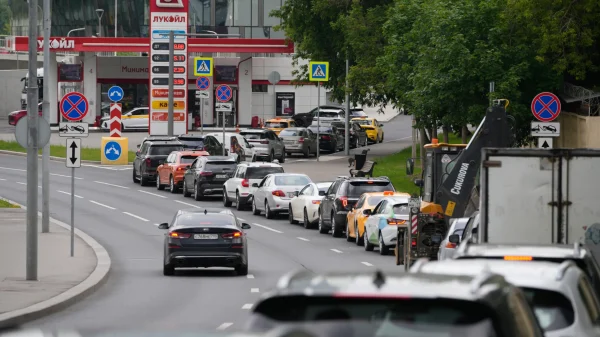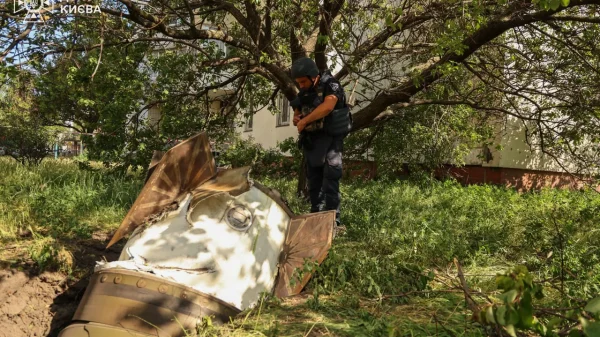





















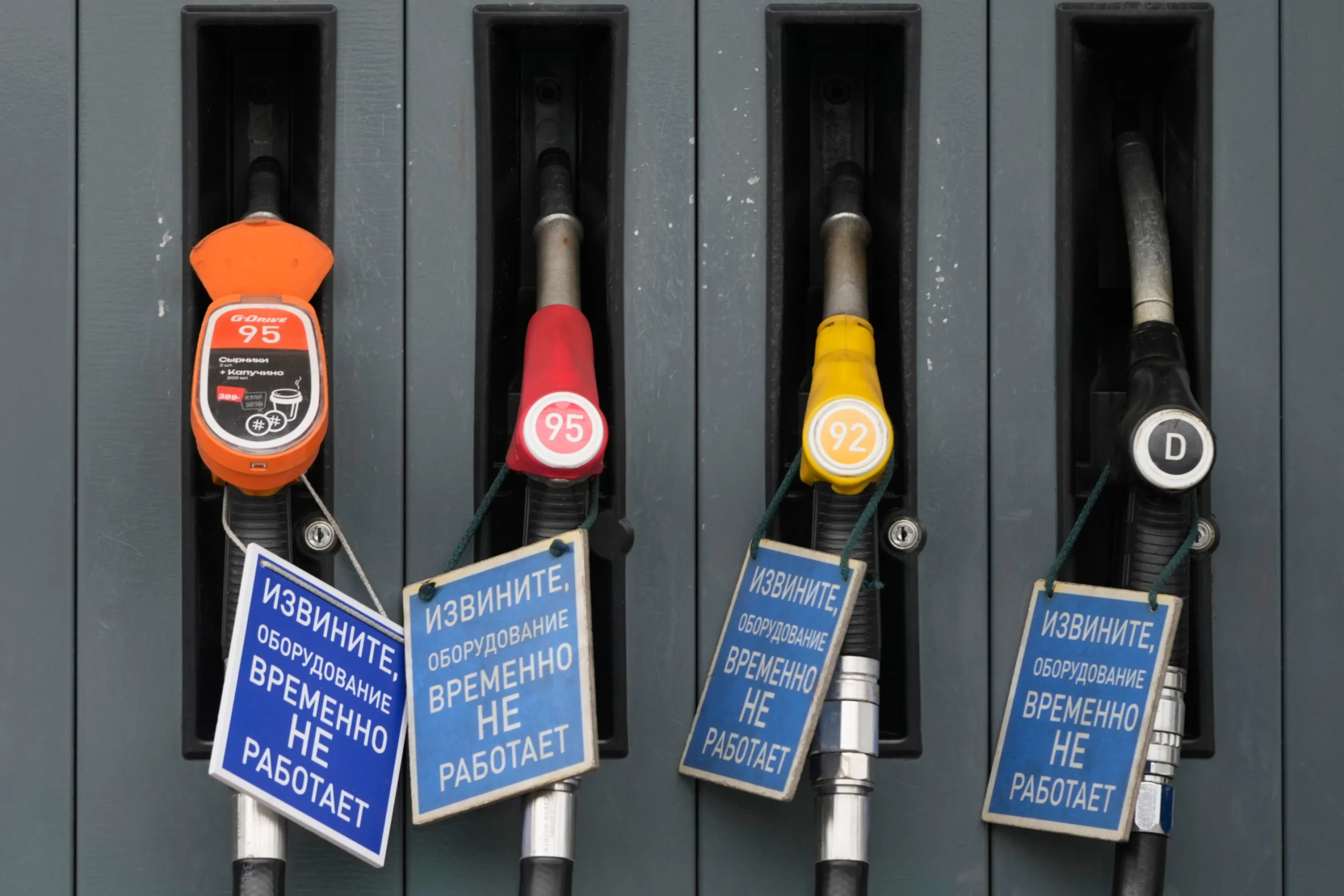
Russia is facing an expanding fuel supply crisis after months of Ukrainian drone strikes severely damaged key oil refineries and energy facilities, disrupting gasoline production and creating long queues at fuel stations across multiple regions.
The shortages have led to fuel rationing, higher prices, and growing public frustration, marking one of the most significant domestic consequences of the Russia-Ukraine war for ordinary Russian citizens. Despite assurances from the Kremlin that the situation remains under control, supply disruptions continue to affect motorists and businesses nationwide.
Fuel Rationing Introduced in Several Regions
Authorities in numerous Russian regions have imposed limits on fuel purchases as supplies tighten. Long lines have formed outside gas stations, while videos circulating on social media show motorists waiting for hours to refuel or finding pumps running empty.
In the Siberian city of Irkutsk, local officials even arranged portable toilets near busy fuel stations to accommodate drivers facing extended waits. Rising fuel costs have also prompted increases in public transportation fares in some areas.
Russian President Vladimir Putin acknowledged that motorists and businesses continue to experience difficulties obtaining fuel but described the shortages as temporary rather than critical.
Ukrainian Drone Strikes Hit Energy Infrastructure
Ukraine has intensified its long-range drone campaign targeting Russia’s oil infrastructure in an effort to weaken military logistics and disrupt fuel supplies supporting the war effort.
Since late March, dozens of reported strikes have targeted oil refineries, storage depots, fuel terminals, and related energy facilities across Russia and the Russian-controlled Crimean Peninsula. Several major refineries have reportedly been struck multiple times, significantly reducing refining capacity.
Industry analysts estimate that nearly one-third of Russia’s refining capability is currently offline, resulting in one of the sharpest declines in domestic fuel production in decades.
Gasoline Production Falls as Demand Climbs
Energy market experts report that Russia’s crude oil processing and gasoline production have dropped substantially compared with the same period last year. The decline comes at a particularly challenging time as seasonal agricultural activity increases fuel demand across the country.
With harvesting operations underway, farmers, transport companies, and commercial businesses require larger fuel supplies, placing additional pressure on an already strained distribution network.
Although Russia remains one of the world’s largest oil producers, experts note that refining disruptions—not crude oil availability—are driving the current shortages.
Supply Problems Spread Beyond Attack Zones
The fuel crisis has expanded well beyond areas directly affected by Ukrainian drone strikes. Regions with functioning refineries have also reported shortages due to transportation bottlenecks and the redistribution of available fuel supplies.
In several parts of Siberia, local authorities introduced purchase limits despite no reported attacks on nearby refining facilities. Business owners have expressed concern that prolonged restrictions could disrupt transportation, logistics, and commercial operations.
Some municipalities have also reported reductions in bus services and interruptions to other public services because of limited fuel availability.
Government Moves to Stabilize the Market
Russian authorities have responded by restricting exports of gasoline and aviation fuel while considering additional measures to protect domestic supplies. Officials are also exploring fuel imports from foreign partners to ease shortages and reduce panic buying.

Government representatives have urged motorists to avoid unnecessary purchases, arguing that excessive demand has worsened pressure on filling stations.
Analysts believe the main challenge lies in transporting fuel reserves from regions with adequate supplies to areas experiencing acute shortages, a complex task given Russia’s vast geography.
Refinery Repairs Expected to Take Months
Experts warn that restoring damaged refineries will not be a quick process. Many facilities require specialized industrial equipment that is difficult to replace because of international sanctions and supply chain restrictions.
Repairs are expected to take several months, particularly at larger facilities that sustained extensive damage. Some analysts suggest certain refineries may remain only partially operational until repairs are completed or security conditions improve.
The prolonged outages are likely to keep fuel markets under pressure throughout the summer, especially if further attacks target Russia’s energy infrastructure.
With demand expected to remain elevated during the agricultural season, economists say supply shortages could continue unless refinery operations recover and fuel distribution improves significantly.