













Key U.S. allies in the Middle East have launched an intense diplomatic effort urging President Donald Trump to delay or avoid military strikes against Iran, warning that such action could destabilize the region and send shockwaves through the global economy, according to a senior Arab diplomat.
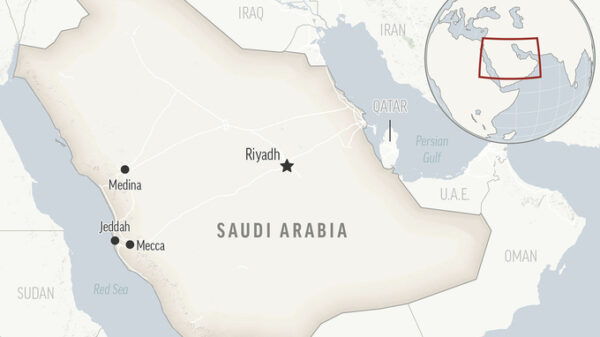
Officials from Egypt, Saudi Arabia, Qatar and Oman have communicated their concerns to Washington over the past two days, the diplomat said, speaking on condition of anonymity due to the sensitivity of the discussions. The allies cautioned that U.S. military intervention in response to Iran’s violent crackdown on protesters could trigger wider conflict in an already fragile Middle East and disrupt global energy markets.
Their intervention appears to have coincided with a shift in tone from the White House. Oil prices dipped Thursday as markets reacted to signs that Trump may be stepping back from earlier threats of imminent strikes, even as his administration insists that no options have been ruled out.
White House press secretary Karoline Leavitt emphasized that the president has not made a final decision. “All options remain on the table,” she said, adding that Trump is closely monitoring developments inside Iran and consulting a small circle of advisers.
Regional fears of escalation
The diplomatic push comes as Iran’s nationwide protests appear to have been largely suppressed following a near-total internet blackout and an intensified security crackdown. Activist groups say more than 2,600 people have been killed in recent weeks — a figure that, if confirmed, would mark one of the deadliest episodes of unrest since Iran’s 1979 revolution.
Arab officials have also reportedly urged Iranian leaders to halt executions and violent repression, warning that any retaliatory action against U.S. or allied targets would carry severe consequences for Tehran. At the same time, they have stressed that American military action could provoke Iranian responses across the region, from the Persian Gulf to the Red Sea.
Asked directly about allies’ appeals for restraint, Leavitt declined to confirm the diplomatic exchanges.
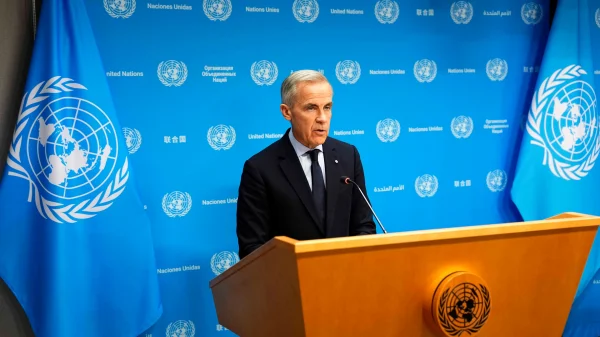
U.S. Ambassador to the United Nations Mike Waltz struck a firmer tone, telling the U.N. Security Council that military force remains a viable option. “President Trump is a man of action,” Waltz said, arguing that pressure is necessary to stop what he described as mass killings by Iranian authorities.
Trump signals possible pause
Despite tough rhetoric from his administration, Trump himself has sent mixed signals. After days of warning Tehran of potential strikes, he highlighted reports suggesting Iran had paused at least some executions, calling the development “good news” and expressing hope it would continue.
Iranian officials disputed parts of those reports, saying a young shopkeeper whose case drew international attention had not been sentenced to death. Nevertheless, the White House later claimed Iran had halted hundreds of planned executions.
Trump has a history of strategic ambiguity, often signaling restraint before taking decisive military action. Analysts note that this uncertainty may be intentional, keeping both allies and adversaries guessing.
Military posture and sanctions
Some experts suggest logistical considerations may also be influencing the White House’s timing. The United States currently lacks an aircraft carrier strike group in the Middle East, a key asset for large-scale operations, after the USS Gerald R. Ford was redeployed for missions tied to Venezuela.
In the meantime, the administration has escalated economic pressure. On Thursday, the Treasury Department announced new sanctions targeting senior Iranian security officials accused of inciting violence against protesters, as well as individuals and companies allegedly involved in laundering money from Iranian oil sales through a covert banking network.
As diplomacy, sanctions and military threats converge, Trump faces competing pressures: calls from regional allies to avoid igniting a wider conflict, demands from human rights advocates to respond forcefully to Iran’s crackdown, and the strategic risks of deeper U.S. involvement in the Middle East.
For now, the outcome remains uncertain — a deliberate ambiguity that has become a hallmark of Trump’s foreign policy approach.