



















In a dramatic policy reversal at the 2026 Winter Olympics, World Curling has stepped back from enhanced on-ice officiating measures introduced amid the sport’s escalating double-touch controversy.
Just one day after deploying additional umpires to closely monitor stone releases, the governing body withdrew the extra oversight following objections from players and national federations. Officials will now remain available upon request rather than monitoring by default.
The abrupt shift underscores the tension between modern officiating standards and curling’s long-standing tradition of self-regulation.
Why Were Extra Umpires Introduced?
The controversy began when Sweden’s Oskar Eriksson accused Canada’s Marc Kennedy of illegally double-touching a stone during delivery in men’s round-robin play.
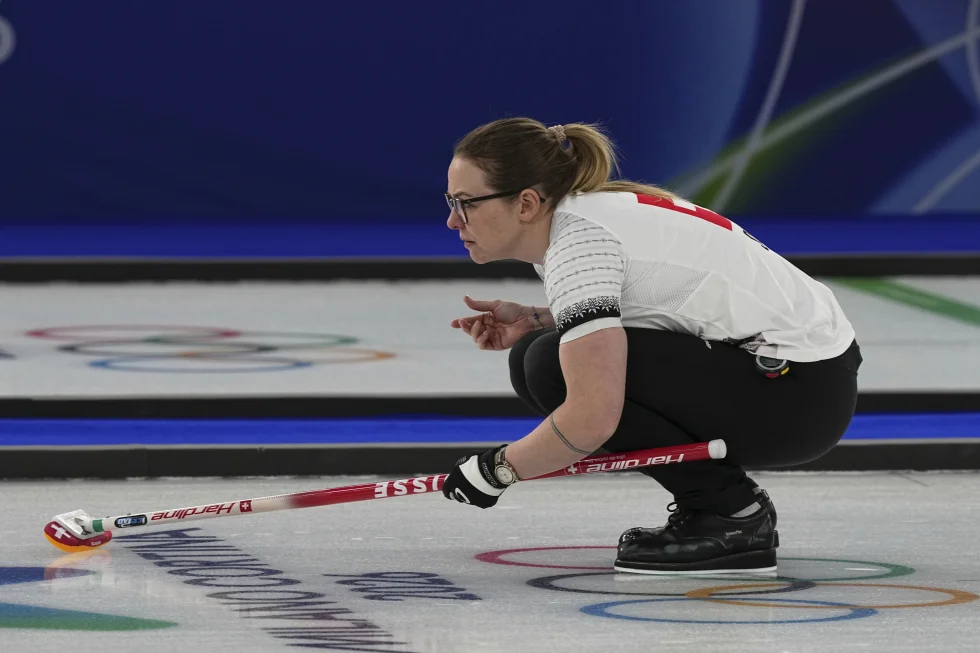
Under curling rules, once a stone begins its forward motion, players are not permitted to touch the granite again. Violations result in the stone being removed from play.
In response to the public dispute and mounting scrutiny, World Curling positioned two umpires near the hog line — the release boundary — to monitor potential infractions more closely.
Within 24 hours, officials called additional violations against Canada’s Rachel Homan and Britain’s Bobby Lammie. Both stones were removed from competition.
Such frequent removals are rare in Olympic curling and quickly fueled frustration among athletes.
Players Push Back
Following a meeting Sunday between national federations and World Curling representatives, players expressed strong opposition to the increased surveillance.
Emma Miskew of Canada said the rapid changes placed officials in a difficult position while disrupting the rhythm of competition.
Athletes argued that minor, often accidental brushes of the stone do not necessarily constitute deliberate cheating. Homan described a double-touch violation as comparable to a routine hog-line fault rather than a serious breach of integrity.
Switzerland’s Alina Paetz echoed that sentiment, suggesting the issue had been amplified beyond its practical impact on gameplay.
Tradition vs. Technology
Curling has long prided itself on a “Spirit of the Game” ethos, in which competitors frequently self-report minor infractions and resolve disputes without heavy officiating.
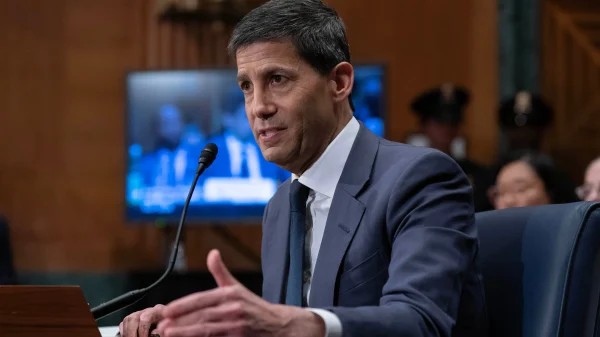
Nolan Thiessen, CEO of Curling Canada, said the decision to scale back oversight reflected a desire to “finish this Olympics the way we know our sport is to be played.”
As curling grows in global popularity and professional stakes rise, balancing tradition with tighter enforcement has become increasingly complex — especially on the Olympic stage, where scrutiny is intense.

What Comes Next?
With medal rounds approaching in Cortina, the focus now shifts back to competition. Officials remain available if teams request intervention, but routine close-up monitoring has ended.
The episode has highlighted deeper questions about fairness, perception and the evolving nature of a sport that historically relied more on mutual respect than whistle-blowing.
For now, Olympic curlers appear determined to settle matters the old-fashioned way — on the ice.