




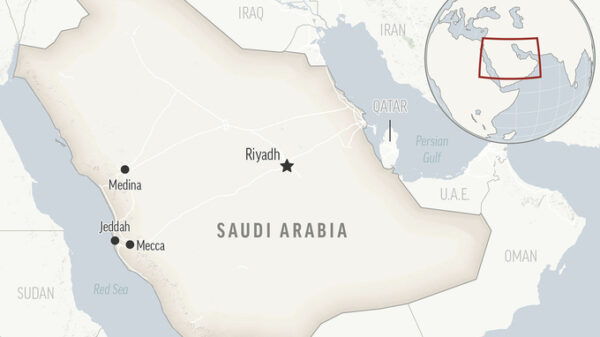















The expanding conflict between Israel and Iran is rapidly reshaping the Middle East, with missile strikes, airspace closures, embassy shutdowns, and economic disruption rippling across the region. As hostilities deepen, governments are evacuating citizens, key oil infrastructure is under threat, and global shipping routes face mounting uncertainty.
On Tuesday, Israel launched airstrikes targeting Iran’s presidential compound and facilities tied to the country’s top leadership, while Iran responded with additional missile attacks on Israeli territory. The violence has since drawn in multiple neighboring states, either directly through strikes or indirectly through economic and security fallout.
Below is a country-by-country breakdown of how the conflict is unfolding across the region.
Regional and Global Impact
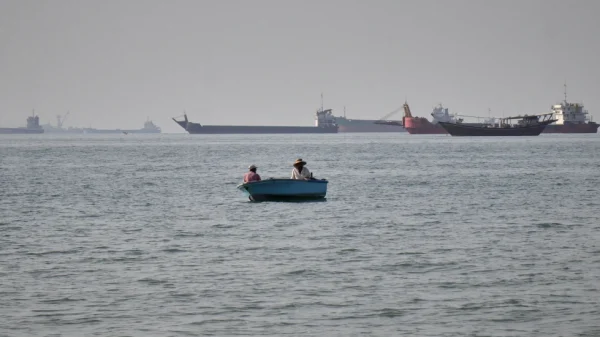
Airspace closures across the Gulf have severely disrupted international travel. The Strait of Hormuz — a chokepoint for nearly a fifth of global oil shipments — has seen maritime restrictions, affecting global energy markets.
The U.S. State Department has evacuated nonessential personnel from multiple countries and advised Americans in 14 nations to depart while commercial flights remain available. European and Asian governments have launched emergency repatriation missions.
As the conflict widens, the Middle East faces mounting humanitarian, economic, and security challenges, with ripple effects extending far beyond the region.