















The United States military confirmed Monday that it carried out what it described as “self-defense” strikes in southern Iran, targeting missile launch locations and vessels allegedly involved in deploying naval mines, despite ongoing diplomatic negotiations between Washington and Tehran.
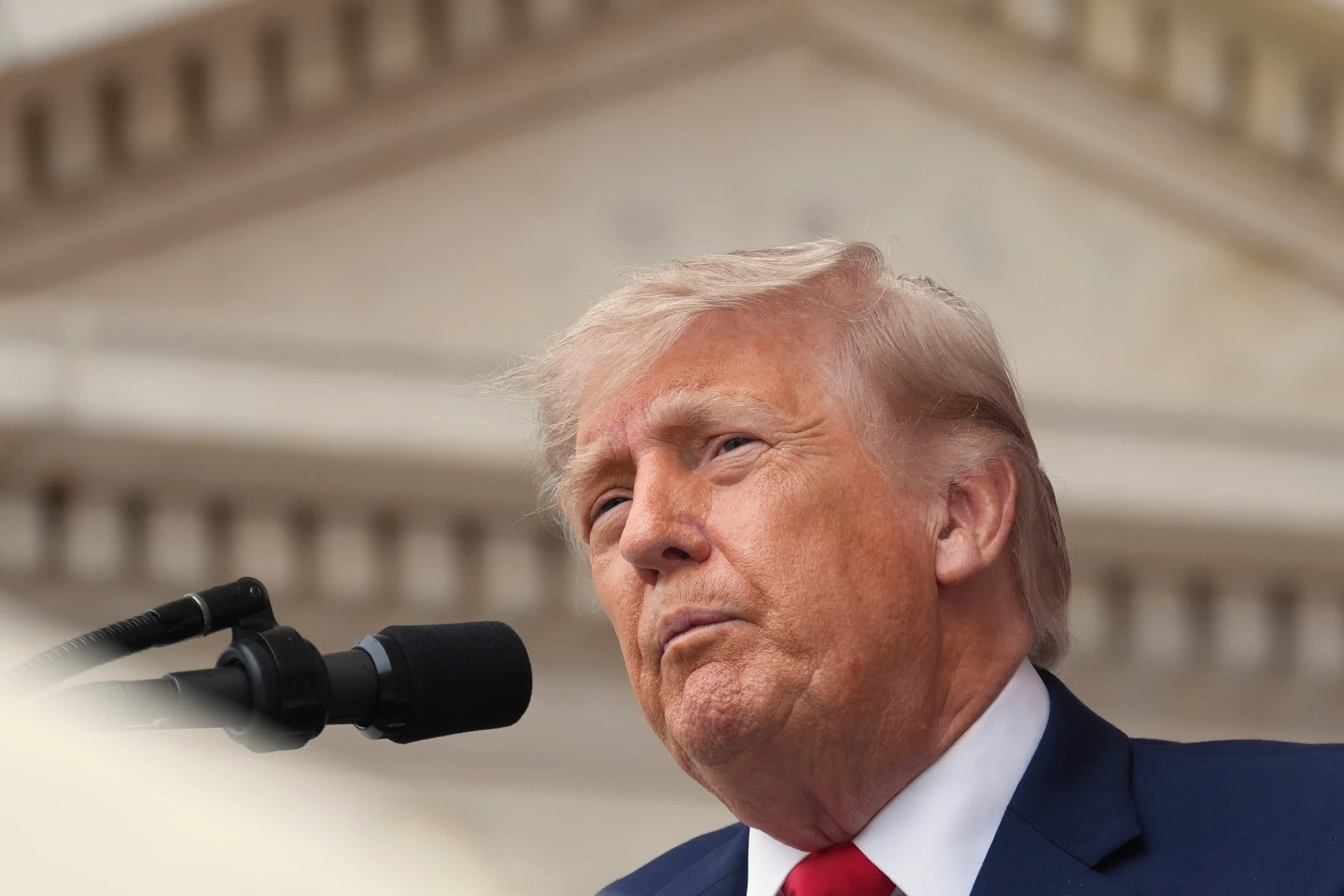
The strikes mark another escalation in tensions surrounding the fragile ceasefire linked to the broader regional conflict, even as U.S. President Donald Trump said talks with Iran were continuing positively.
Pentagon Says Strikes Were Defensive
According to U.S. Central Command, the military action was intended to protect American personnel from what officials described as immediate threats posed by Iranian forces.
Captain Tim Hawkins, a spokesperson for the command, stated that the operations were conducted with restraint due to the ongoing ceasefire efforts but emphasized that the U.S. would continue acting to safeguard its troops and regional assets.
American officials did not immediately release additional operational details or clarify the exact nature of the threats that prompted the strikes.
Reports of Explosions Near Strategic Iranian Port
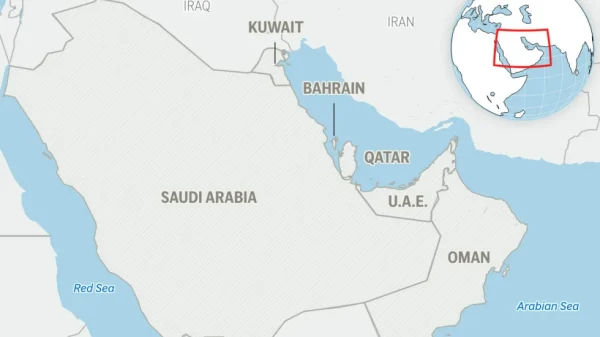
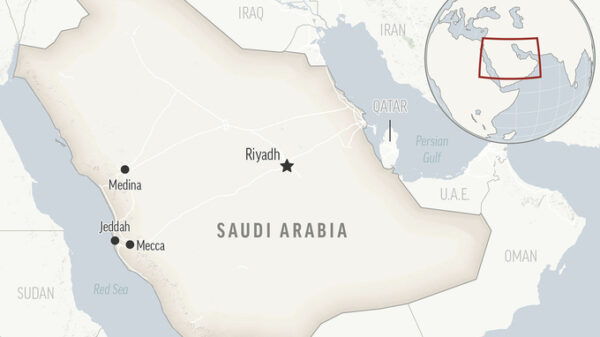
Iranian media outlets reported explosions around Bandar Abbas, a strategically important port city located near the Strait of Hormuz, one of the world’s most critical global energy shipping routes.
Some reports linked the strikes to attacks on Iranian military boats. Media close to Iran’s Revolutionary Guard claimed that four Guard members were killed during the incidents.
Iranian authorities had not officially responded to the U.S. claims at the time of reporting.
The Strait of Hormuz remains a major source of international concern because roughly one-fifth of the world’s oil and natural gas shipments historically pass through the narrow waterway. Any instability in the area can significantly affect global energy markets and shipping routes.
Diplomatic Talks Continue Despite Military Action
The military strikes occurred while diplomatic negotiations between the United States and Iran were reportedly ongoing in Qatar.
Iran had sent senior official Mohammad Bagher Qalibaf to participate in discussions linked to possible de-escalation efforts and broader negotiations with Washington.
Qatar has emerged as an important mediator in recent regional diplomacy and also holds billions of dollars in frozen Iranian funds, giving it influence in the ongoing negotiations.
Despite the latest violence, President Trump said discussions with Tehran were “proceeding nicely,” signaling that both sides may still be pursuing a political agreement.
Trump Pushes Expansion of Abraham Accords
At the same time, Trump introduced a new diplomatic proposal tied to the negotiations, urging additional countries to join the Abraham Accords, the U.S.-brokered agreements aimed at normalizing relations with Israel.
The president suggested countries such as Saudi Arabia and Pakistan should consider recognizing Israel as part of a broader regional peace framework.

The proposal has already sparked debate because several Muslim-majority countries continue to link diplomatic recognition of Israel to the creation of an independent Palestinian state.
Pakistan, which does not maintain diplomatic relations with Israel, indicated that its long-standing position on Palestinian statehood remains unchanged.
Political analysts say introducing the Abraham Accords into current negotiations could complicate already sensitive discussions involving Iran and regional powers.
Ceasefire Remains Fragile Across Region
The latest strikes underscore the fragile nature of the ceasefire that has repeatedly been shaken by military incidents across the Middle East.
Regional tensions remain high as Iran, Israel, Gulf Arab states, and Western powers continue maneuvering diplomatically and militarily in one of the world’s most volatile geopolitical environments.
Experts warn that any further escalation around the Strait of Hormuz could have major consequences for international trade, oil prices, and regional stability.
While diplomatic channels remain open, uncertainty continues over whether negotiations can produce a lasting agreement capable of preventing a wider conflict.